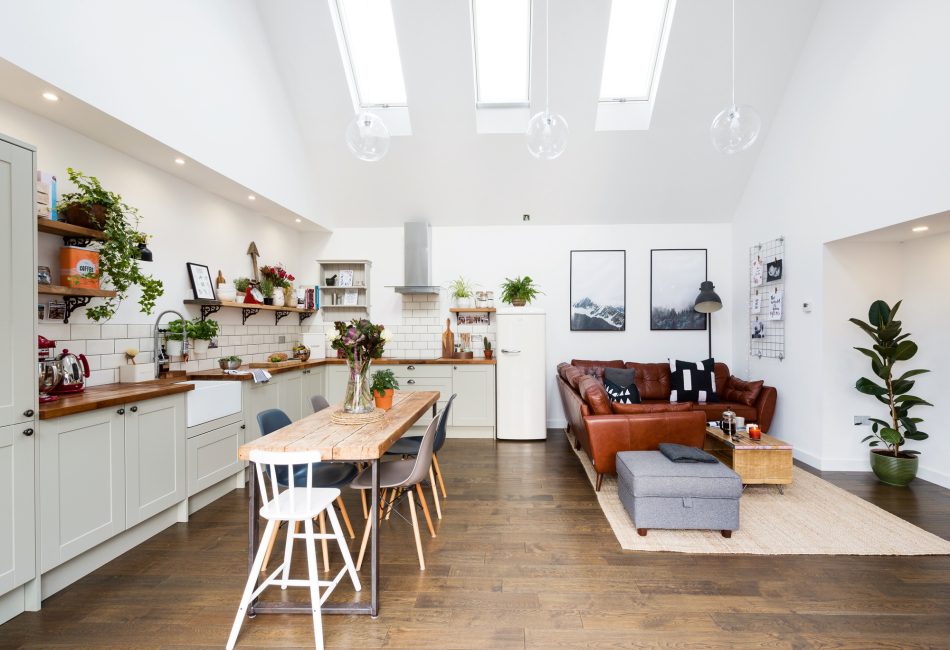
Undertaking an entire home remodel is one of the most transformative steps a homeowner can take. We will explore the stages of this process and what to anticipate when working with a contractor, from the first idea to the final walkthrough. Remodeling an entire house isn’t just about updating aesthetics—it’s about reimagining how your space functions, feels, and supports your daily life. From improving layout flow to upgrading outdated systems, a full remodel can enhance comfort and property value. However, the scope of such a project requires serious planning, budgeting, and decision-making. The journey requires a clear timeline and open communication with the remodeling team, whether restoring an older home to bring out its charm or modernizing a dated floor plan. Understanding what each phase entails can help reduce surprises and ensure the final result is beautiful and functional for years to come.
Transforming a House Into a Dream Home
- Design and Budget: Laying the Foundation for a Successful Remodel
The first significant step in any full home remodel is creating a detailed design and establishing a workable budget. This phase involves extensive discussions between the homeowner and the remodeler to understand the space’s goals, priorities, and challenges. During the design process, every room is considered—kitchens, bathrooms, bedrooms, and living spaces—and decisions are made about layout changes, material preferences, and fixture upgrades. A good remodeling plan also includes room for contingencies. Unforeseen issues often arise, especially in older homes, so building a buffer into the budget is wise. Design professionals may use 3D models or layout diagrams to help visualize the final product before demolition begins. This stage is critical for aligning expectations and identifying cost drivers early on. The homeowner should feel empowered to make choices that reflect their lifestyle, whether opening walls for better flow or investing in energy-efficient features that will pay off in the long run.
- Permits, Demolition, and Structural Work
Once the design is finalized and materials are selected, the remodeler will begin securing the necessary permits. This is a crucial step, as compliance with local building codes ensures safety and legality. Permits can take time, depending on the location so patience may be needed during this phase. With permits in place, the demolition begins. This part of the process can be noisy and messy, but it’s also exciting—it marks the official start of your home’s transformation. Walls may be removed, old flooring torn, and cabinets removed. Once everything is cleared, the crew evaluates the condition of the home’s frame, foundation, and systems. If electrical, plumbing, or HVAC components need upgrades or reconfiguration, this is the moment to make those changes. Structural changes such as moving walls or adding beams take shape here too. Ensuring the home’s skeleton is solid before any finishes or aesthetic work can begin.
- Rebuilding, Installing, and Tailoring the Space to Fit Your Life
With the structure confirmed and systems updated, the rebuild phase begins. This is when the home starts to retake shape. Framing new walls, installing insulation, and placing new windows and doors are common at this stage. Drywall goes up, giving each room its definition, and flooring starts to be laid. Then come cabinets, countertops, tile, and lighting fixtures—all the elements that personalize a space and bring the design to life. This remodeling requires close attention to detail and steady coordination across various teams. Painters, plumbers, electricians, and carpenters may all work in the home simultaneously. Homeowners should expect frequent updates and opportunities to weigh in on finishing touches. During this phase, a reliable Knoxville full home remodeler helps manage the schedule and ensure each step progresses smoothly without cutting corners. Their experience with whole-home transformations means they understand how to blend form and function while maintaining consistency across rooms.
- Final Walkthrough and Transitioning Into Your New Home
As the remodel nears completion, the final touches are applied. This includes everything from caulking and trim to appliance installation and final paint touchups. The remodeler conducts a comprehensive walkthrough, checking each area for quality and completeness. During this stage, homeowners are invited to inspect the work, note any areas that need adjustment, and receive guidance on maintaining new surfaces or systems. Punch lists—those minor final corrections—are addressed quickly to ensure satisfaction. This is also when permits may be closed out and final inspections completed. The space will be ready to live once everything is approved and any last tweaks are made. Moving back into the fully renovated home is a moment of celebration. The rooms not only look different—they function better, feel more comfortable, and reflect the unique needs of those who live there. It’s a fresh start in familiar surroundings, with every corner reshaped to suit personal taste and practical needs.
An entire home remodel is a journey of patience, planning, and transformation. It takes vision, clear communication, and a team that can bring complex projects together smoothly. From the first sketches of a new kitchen layout to the last lightbulb installed in a modernized living room, each phase builds toward a home that feels entirely your own. The process is far more involved than a single-room upgrade, but the rewards are more significant, too. By taking the time to understand the steps and trust the professionals guiding the work, homeowners can feel confident that their home is more than renovated—it’s reimagined. Whether you’re bringing an old house up to date or adapting your current home for a new chapter, a complete remodel can give your space new purpose, personality, and value. With careful planning and skilled execution, the house you’ve always lived in can finally become the one you’ve always dreamed of.