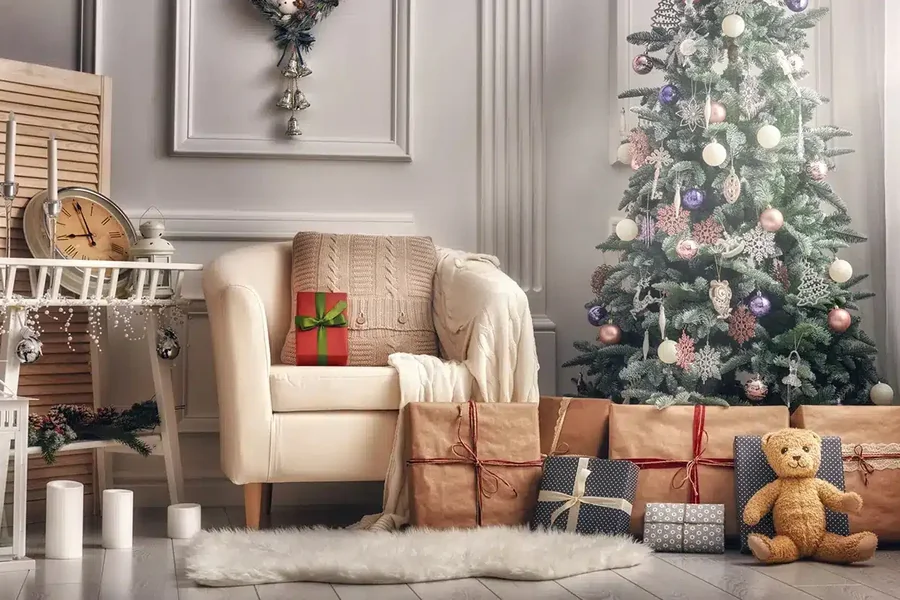
Some of the best Christmas memories happen far from home. A trip to see grandparents across the country, a long-awaited holiday somewhere warm, or a winter adventure in the mountains can be the highlight of the year. Yet many families feel a small pang when they realise they will not wake up in their own house on Christmas morning. The tree, the lights, the familiar decorations and the little rituals that make the season feel special all seem to belong to a home you will not be in.
It does not have to be that way. With some thoughtful planning, you can enjoy a full festive season at home before you leave, travel with a light heart, and return to a house that is easy to settle back into. The secret is to start earlier than usual, choose traditions that can move forward on the calendar, and plan your decorations around both your departure and your return.
This guide walks you through the whole process, from October planning to unpacking in January, so your family can enjoy the best of both worlds.
Why Planning in October Makes All the Difference
For most households, Christmas preparation begins sometime after Thanksgiving or in early December. When you are travelling for the holidays, that timeline is too tight. The weeks before departure fill up with packing, work deadlines, pet arrangements and last-minute errands. If decorating and celebrating are squeezed into those same weeks, they become stressful chores instead of joyful moments.
October is the ideal time to sit down as a family and map out the season. The calendar is still relatively open, stores have their holiday stock arriving, and service providers are not yet fully booked. Planning now lets you spread tasks across several weeks and protect time for the things you actually want to enjoy.
Start with a family calendar conversation
Gather everyone around the kitchen table with a printed calendar or a shared digital one. Mark three key dates first: the day you leave, the day you return, and the date you want your home celebrations to begin. Then work backwards. If you leave on December 20, for example, you may want your “home Christmas” to take place on the weekend of December 13 and 14, with decorating starting around the end of November.
Ask each family member to name one or two traditions that matter most to them. Children might choose decorating cookies or watching a favourite holiday film. Adults might want a special dinner, a visit to a light display or a quiet evening by the tree. Writing these down helps you protect the moments that matter and let go of the ones that do not.
Set a realistic budget
Travel is expensive, and holiday spending can quickly pile on top of flights, accommodation and gifts. Decide early how much you want to spend on decorations, food and activities at home. You may find that a smaller, more focused celebration feels more meaningful anyway. A clear budget also makes it easier to decide which decorations to buy new and which to bring out from storage.
Choosing Traditions You Can Enjoy Before You Leave
Many Christmas traditions are not tied to a specific date. They feel festive because of the people, the food and the atmosphere, not because of the calendar. Moving them forward a week or two keeps the spirit of the season alive without the pressure of December 25.
Hold an early Christmas dinner
An early Christmas dinner at home can become one of the most loved parts of the season. Choose a weekend before you travel, cook the family’s favourite dishes, and set the table with your best linens and candles. Some families even open a few gifts on this day, saving the rest for the trip. If you are visiting relatives, an early dinner also gives you a chance to celebrate in your own way before joining a larger gathering.
Keep the advent spirit going
Advent calendars are a lovely way to count down the days, but if you will be away for the last part of December, consider starting earlier. A “travel countdown” calendar that begins in mid-November and ends on departure day can build excitement for both the holiday and the trip. Fill the pockets with small treats, notes about where you are going, or activities such as “make a paper snowflake” or “choose a song for the car playlist”.
Bake and share before departure
Holiday baking does not need to happen in the final days before Christmas. Bake cookies, mince pies or gingerbread a couple of weeks early and share them with neighbours, teachers and friends. It is a warm way to connect with your community before you leave, and it avoids having a kitchen full of perishable treats when you are trying to pack.
Visit local light displays and events early
Many towns switch on their holiday lights and open Christmas markets by late November. Make a plan to visit before you travel. A drive around the neighbourhood with hot chocolate, a walk through a festive market or a community carol evening can all fit into the weeks before departure and help everyone feel that they have truly experienced Christmas at home.
Choosing Decorations You Can Enjoy and Easily Pack Away
When you are leaving for part of the season, your decorating strategy changes. You want decorations that create a big festive feeling for the weeks you are home, but that will not be a burden to take down, or a worry while you are gone.
Focus on high-impact areas
Instead of decorating every room, concentrate on the spaces where your family spends the most time. The living room, the entrance and the dining table usually deliver the most festive feeling for the effort. A beautifully dressed mantel, a wreath on the front door and a centrepiece on the table can make the whole house feel like Christmas.
Real tree or artificial tree?
A real tree brings wonderful scent and tradition, but it needs regular watering and can become dry and a fire risk if left unattended for a week or more. If you love a real tree, buy it early in the season, keep it well watered, and plan to take it down before you leave, or arrange for a neighbour or house sitter to care for it. Many travelling families find that a good-quality artificial tree is the more practical choice. It can go up in late November, stay safe while you are away if you prefer to leave it standing unlit, and be packed away at your convenience.
Choose decorations that are safe to leave
Fresh garlands, live wreaths and real poinsettias are lovely, but they can wilt or drop leaves while you are away. Consider faux greenery for areas you plan to leave decorated, and save fresh flowers for your early celebration. Unplug all indoor lights and electrical decorations before you leave, and avoid leaving candles anywhere they could be accidentally lit by a house sitter.
Use timers for indoor lights
If you want a few indoor lights to glow while you are away, plug them into timers rather than leaving them on continuously. This saves energy, reduces risk and makes the house look occupied in the evenings, which is helpful for security as well.
Planning Your Outdoor Display Around Your Travel Dates
Outdoor lights are often the most visible and most joyful part of holiday decorating. They welcome guests, delight neighbours and make coming home on a dark evening feel special. For travelling families, though, they also raise practical questions. When should they go up? Should they stay on while you are away? Who will take them down, and when?
Schedule installation early
The best time to install outdoor lights is before the weather turns harsh and before installers’ calendars fill up. Booking in October gives you the widest choice of dates. Many families aim to have lights up by the end of November so they can enjoy several weeks of evening glow before travelling. If climbing ladders onto icy rooflines is not appealing, a professional service makes the process safer and simpler. For families in South Carolina, Aiken christmas light installation for rooflines can be scheduled around your departure so the display is ready for your early celebrations, and removal can be booked for after you return. Planning installation and takedown as a single arrangement means one less thing to think about during a busy season.
Decide whether lights stay on while you travel
Leaving outdoor lights on a timer while you are away can make your home look lived-in and keep the street festive for neighbours. Smart plugs and outdoor timers let you set the lights to turn on at dusk and off at a reasonable hour. If you prefer not to leave them running, switch them off completely before you leave and enjoy them again for a few evenings after you return.
Plan the removal date
Taking lights down in January is the job nobody looks forward to, especially after a long trip. Decide on your removal date now. If you are using a professional installer, book the takedown at the same time as the installation. If you are doing it yourself, choose a weekend shortly after you return, when the weather forecast looks dry, and put it on the family calendar so it does not drift into February.
Think about safety and weather
Outdoor displays face wind, rain and sometimes snow. Use lights and extension cords rated for outdoor use, secure them firmly to gutters and rooflines with proper clips, and make sure connections are protected from moisture. If a storm is forecast while you are away, ask a neighbour to check that nothing has come loose.
Preparing the House Before You Leave
A little preparation before departure makes the trip more relaxing and the return far easier. Think of it as giving your future self a gift.
Create a departure checklist
Write a simple checklist that covers decorations, safety and household tasks. It might include unplugging indoor lights, watering or removing the tree, emptying the fridge of perishables, adjusting the thermostat, stopping or forwarding mail, and confirming arrangements for pets and plants. Ticking items off as you go reduces the risk of a worrying “did we remember to…” moment at the airport.
Arrange a house sitter or neighbour check-ins
If you are leaving for more than a few days, ask a trusted neighbour, friend or professional house sitter to check on the home. They can bring in packages, water plants, check that outdoor lights are working, and make sure nothing looks out of place. Leave clear written instructions and a contact number.
Tidy before you go
It is tempting to leave in a rush, but returning to a clean, organised house is a wonderful feeling. Do the laundry, empty the bins, run the dishwasher and put away the wrapping paper. Change the bed linens so everyone can collapse into fresh sheets when you get back.
Leave a little festive welcome for your return
Consider leaving a small festive touch in place for when you return: a wreath on the door, a string of lights on a timer in the window, or a candle and a box of hot chocolate on the kitchen counter. These little details help the house feel warm and welcoming, even after the main celebrations are over.
Bringing the Festive Spirit With You
Even when you are away from home, you can carry some of your traditions with you. This helps children in particular feel connected to the season and to the home they have left behind.
Pack a small “Christmas kit”
A small bag with a few ornaments, a string of battery-operated lights, a favourite holiday book and stockings can turn a hotel room or holiday rental into a festive space in minutes. If you are staying with relatives, these familiar items can help children feel at home in a new setting.
Keep one ritual going
Choose one simple ritual to continue while travelling. It could be reading the same Christmas story each night, sharing what you are grateful for at dinner, or calling a grandparent on Christmas Eve. Small, consistent traditions matter more than elaborate ones.
Capture the moments
Take photos of both your early home celebration and your holiday trip. Afterwards, you can put them together into a small album or slideshow. Many families find that looking back at both sets of memories makes the season feel richer and more complete.
Arranging a Manageable Return to Everyday Routines
The end of the holidays can feel abrupt, especially after a long trip. Planning your return as carefully as your departure helps everyone ease back into normal life without stress.
Build in a buffer day
If possible, return home at least a day or two before work and school resume. This gives everyone time to unpack, rest, shop for groceries and adjust to the local time zone if you have travelled far. A buffer day can make the difference between a smooth transition and a frazzled first week back.
Plan easy meals
Before you leave, prepare and freeze a few simple meals for your return. Soup, a casserole or a pasta sauce can be heated up easily on the first evening home, saving you from a late-night grocery run or expensive takeaway. Keep a few pantry staples on hand as well.
Pack away decorations gradually
There is no need to take everything down on the first day back. Make a plan to pack away decorations in stages over the first week or two. Start with indoor items, then outdoor lights according to the removal date you booked. Label storage boxes clearly by room and type so next year’s setup is quicker.
Reflect and plan for next year
Once you are settled, take a few minutes as a family to talk about what worked and what you would change. Did the early Christmas dinner feel special? Was the outdoor display worth the effort? Did the departure checklist cover everything? Writing a few notes now will make next year’s planning even easier.
A Sample Timeline for Travelling Families
Every family’s schedule is different, but a simple timeline can help you visualise the season:
- Early to mid-October: Family calendar meeting, set budget, book outdoor light installation and removal, arrange house sitter or pet care.
- Late October: Check stored decorations, replace broken items, plan the early Christmas menu.
- Mid to late November: Outdoor lights go up, indoor decorating begins, start the travel countdown calendar.
- Early December: Baking, visiting light displays and markets, wrapping gifts for travel.
- Weekend before departure: Early Christmas dinner and home celebration.
- Final days before leaving: Departure checklist, unplug indoor lights, set timers, tidy the house, freeze meals for return.
- During travel: Enjoy the trip, keep one family ritual going, take photos.
- Return: Buffer day, easy meals, gradual pack-away, scheduled light removal, family reflection.
Final Thoughts
Being away for Christmas does not mean missing out on the magic of the season at home. By planning in October, moving cherished traditions earlier, choosing decorations that suit your schedule and arranging your outdoor display around your travel dates, you can enjoy a full and joyful holiday before you ever leave the driveway.
Just as importantly, a little preparation for your return turns the end of the trip into a gentle landing rather than a scramble. You come home to a tidy house, a meal in the freezer and a clear plan for packing everything away. That is a wonderful way to begin a new year.
Wherever your travels take you this season, the warmth of home can come with you and be waiting when you return.