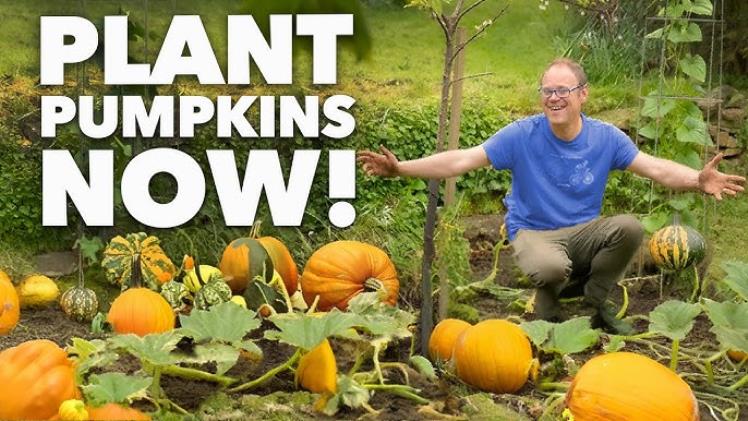
The pumpkin plant (Cucurbita pepo) is a versatile and widely cultivated crop that has been an essential part of human agriculture for thousands of years. Native to North America, pumpkins have become an iconic symbol of autumn, particularly in the United States, where they are closely associated with Halloween and Thanksgiving. Beyond their cultural significance, pumpkins offer a wealth of nutritional benefits and have a variety of culinary and non-culinary uses. This article explores the pumpkin plant’s cultivation, varieties, benefits, and diverse applications, illustrating why it remains a beloved crop worldwide.

History and Origin of the Pumpkin Plant
Pumpkins are believed to have originated in Central America, with evidence suggesting that they were cultivated as far back as 7,000 to 5,500 BCE. The indigenous peoples of North America were among the first to grow pumpkins, utilizing them as a vital food source alongside other staples like maize and beans. Pumpkins were later introduced to Europe after the arrival of European explorers in the New World, and they quickly spread to other parts of the world due to their adaptability and usefulness.
In the United States, pumpkins hold a special place in history and tradition. The Pilgrims and Native Americans used pumpkins extensively, incorporating them into their diets and even using them to create practical items like containers and mats. Today, pumpkins are most famously associated with Halloween, where they are carved into jack-o’-lanterns, and Thanksgiving, where pumpkin pie is a beloved dessert.
Botanical Characteristics
The pumpkin plant belongs to the Cucurbitaceae family, which includes other well-known crops such as squash, cucumbers, and melons. It is a sprawling vine that can cover large areas of ground, making it well-suited for gardens with ample space. The plant has broad, lobed leaves and produces long, twisting tendrils that help it climb and spread. Pumpkin vines can grow up to 20 feet or more, depending on the variety and growing conditions.
Pumpkin plants are monoecious, meaning they produce both male and female flowers on the same plant. The bright yellow-orange flowers are large and trumpet-shaped, with male flowers typically appearing first. Female flowers, which develop slightly later, have a small, immature fruit at the base. Pollination is essential for fruit development, and it is usually facilitated by bees and other pollinators.
Once pollination occurs, the pumpkin begins to develop. The fruit’s size, shape, and color can vary widely depending on the variety. While most people think of pumpkins as being round and orange, they can also be white, green, yellow, or even red. The skin is typically thick and ribbed, and the flesh inside ranges from pale yellow to deep orange. The seeds, or pepitas, are located in the center of the fruit, surrounded by a fibrous pulp.
Cultivation and Growing Conditions
Pumpkins are warm-season crops that thrive in full sun and well-drained soil. They require a long growing season, typically between 75 to 120 days, depending on the variety. For this reason, they are usually planted after the last frost date in spring, when the soil has warmed to at least 70°F (21°C). In cooler climates, gardeners may start seeds indoors and transplant seedlings after the danger of frost has passed.
Pumpkins need plenty of space to grow, as their vines can spread over large areas. They also require regular watering, especially during the fruiting stage, as inconsistent moisture can lead to issues like blossom end rot. Mulching around the base of the plants can help retain soil moisture and suppress weeds.
To encourage healthy fruit development, gardeners often practice vine pruning, which involves removing excess vines and leaves to direct more energy into the growing pumpkins. Additionally, providing adequate nutrients is crucial for a successful pumpkin harvest. Pumpkins are heavy feeders, and they benefit from the addition of compost or a balanced fertilizer throughout the growing season.
One common challenge in pumpkin cultivation is pest and disease management. Squash bugs, cucumber beetles, and vine borers are common pests that can damage the plants. Diseases such as powdery mildew and downy mildew can also affect pumpkins, especially in humid conditions. Regular monitoring, proper spacing, and crop rotation can help mitigate these issues.
Varieties of Pumpkins
There is a wide range of pumpkin varieties, each with its unique characteristics, making them suitable for different purposes. Some of the most popular types include:
- Jack-o’-Lantern Pumpkins: These are the classic pumpkins used for carving during Halloween. They are typically large, round, and have bright orange skin. Popular varieties include ‘Howden’ and ‘Connecticut Field.’
- Pie Pumpkins: Also known as sugar pumpkins, these are smaller, sweeter varieties ideal for cooking and baking. The flesh is dense and flavorful, making them perfect for pies, soups, and other dishes. ‘Small Sugar’ and ‘New England Pie’ are well-known varieties.
- Giant Pumpkins: These pumpkins are grown for their massive size and are often showcased in competitions. Varieties like ‘Atlantic Giant’ can weigh hundreds of pounds, with some reaching over a thousand pounds.
- Miniature Pumpkins: These tiny pumpkins, such as ‘Jack Be Little’ and ‘Baby Boo,’ are primarily used for decorative purposes. They are small enough to fit in the palm of your hand and are popular for fall displays.
- White Pumpkins: Varieties like ‘Lumina’ and ‘Casper’ have pale, creamy skin and are often used for unique decorative displays. They can also be used in cooking, with a flavor similar to traditional orange pumpkins. A white pumpkin also makes a stunning canvas for painting, as its pale surface allows colors to pop in ways that orange varieties simply can’t match.
Benefits and Uses of Pumpkins
Pumpkins are highly nutritious and offer numerous health benefits. They are an excellent source of vitamins A and C, which are essential for immune function, vision, and skin health. The bright orange color of pumpkin flesh is due to its high beta-carotene content, an antioxidant that the body converts into vitamin A. Pumpkins are also rich in fiber, which aids digestion and helps regulate blood sugar levels.
In the culinary world, pumpkins are incredibly versatile. They can be roasted, pureed, or used in soups, stews, and casseroles. Pumpkin seeds, or pepitas, are a popular snack, often roasted and seasoned. These seeds are a good source of protein, healthy fats, and essential minerals like magnesium and zinc.
Pumpkin puree is a staple ingredient in fall baking, used to make pies, bread, muffins, and more. It can also be incorporated into savory dishes, such as risottos, pasta sauces, and curries. Pumpkin spice, a blend of cinnamon, nutmeg, ginger, and cloves, has become synonymous with autumn, flavoring everything from lattes to desserts.
Beyond the kitchen, pumpkins have non-culinary uses as well. Their large, hollow shells can be carved into jack-o’-lanterns for Halloween, creating a festive atmosphere. Pumpkins are also used in traditional medicine, particularly in cultures where they have been cultivated for centuries. For example, pumpkin seeds are used to treat intestinal parasites in some folk remedies.
Conclusion
The pumpkin plant is a remarkable crop that has been an integral part of agriculture and culture for thousands of years. Its wide range of varieties, nutritional benefits, and versatility make it a valuable addition to gardens and kitchens alike. Whether used for decoration, cooking, or health, pumpkins continue to play a significant role in our lives, especially during the autumn season. As interest in sustainable and home gardening grows, the pumpkin plant’s popularity is likely to increase, ensuring that this iconic crop remains a cherished part of our agricultural heritage for generations to come.