If you’re looking to make your garden more water-efficient and your plants healthier, a soaker hose is an excellent tool to consider. Soaker hoses are a highly effective way to irrigate gardens, lawns, and flower beds, offering controlled, targeted watering that conserves water, minimizes evaporation, and reduces plant disease. This guide will take you through everything you need to know about soaker hoses, including how they work, their benefits, best uses, and tips for installation and maintenance.
Incorporating soaker hoses into your garden can significantly enhance water efficiency, especially in arid environments. These hoses deliver water directly to the roots, minimizing evaporation and runoff. For those designing landscapes in desert regions, integrating soaker hoses with native plants like cacti and drought-resistant trees can create a sustainable and visually appealing garden. To explore more about designing landscapes that thrive in dry climates, including the use of native flora and efficient irrigation techniques, you can view more on specialized desert landscape design. This approach not only conserves water but also supports the local ecosystem, making it an ideal choice for environmentally conscious gardeners.
What is a Soaker Hose?
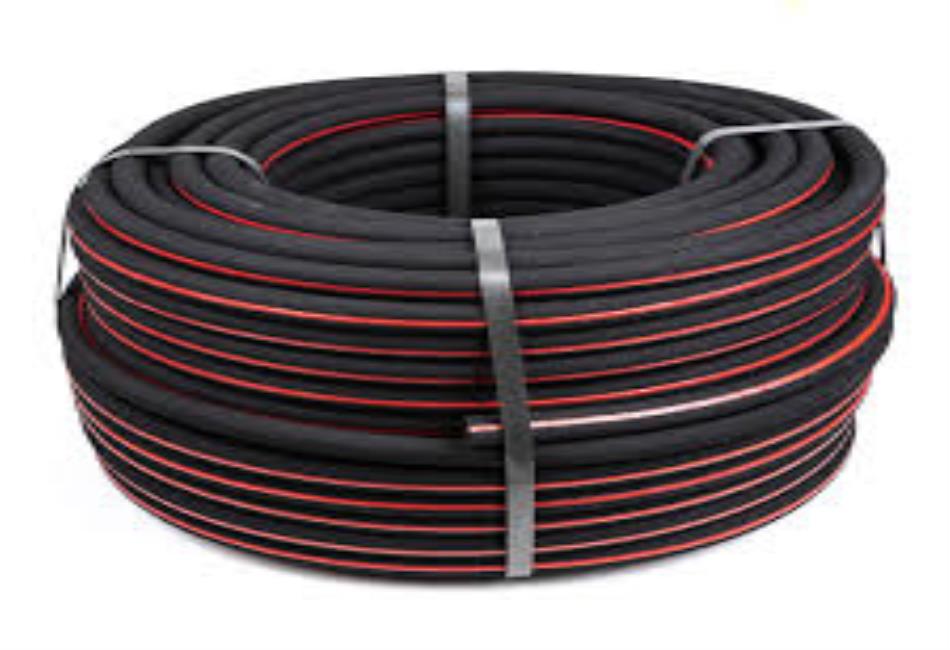
A soaker hose is a type of hose with tiny, evenly spaced pores along its length. When attached to a water source, it delivers water directly to the roots of plants by slowly seeping it through these small holes. Soaker hoses are often made of recycled rubber or polyethylene, which provides flexibility and durability, allowing them to be arranged easily around plants and garden beds. Unlike traditional sprinklers or hand-watering, soaker hoses provide a slow and steady supply of water that minimizes runoff and waste.
Key Benefits of Using Soaker Hoses
- Water Efficiency
One of the main advantages of soaker hoses is that they use water more efficiently. By slowly delivering water at ground level, they prevent evaporation that often happens with sprinklers or surface watering. This targeted watering method ensures that water goes directly to the plant roots where it’s needed most, reducing overall water usage by up to 50%. - Reduced Plant Disease
Soaker hoses help keep water off the foliage, which can help prevent the spread of certain plant diseases. Many fungal diseases thrive in moist conditions on leaves, especially in humid climates. By keeping water focused on the roots, soaker hoses reduce the chance of moisture-related diseases like powdery mildew and blight. - Consistent Moisture Levels
Soaker hoses provide a consistent and steady flow of water, ensuring that soil moisture levels are kept even. Consistent moisture at the root level helps plants develop stronger root systems, reduces plant stress, and supports overall plant health. This is especially beneficial for vegetable gardens and plants that prefer evenly moist soil, like tomatoes, peppers, and leafy greens. - Time Savings
Unlike hand-watering, which can be time-consuming, soaker hoses allow gardeners to automate their watering routine. Once installed, soaker hoses can be connected to a timer, so you can set it and forget it, freeing up time for other gardening tasks. - Soil Health Preservation
By delivering water directly to the soil, soaker hoses help prevent soil compaction, erosion, and nutrient leaching that can occur with overhead watering. Healthy soil structure is crucial for root development and nutrient uptake, making soaker hoses an excellent choice for gardeners focused on soil health.
Best Uses for Soaker Hoses
Soaker hoses can be used in various gardening scenarios. Here are some of the best applications:
- Flower Beds and Shrubs: Ideal for delivering consistent moisture to flower beds, soaker hoses can be snaked around the base of shrubs and perennials, ensuring that water reaches the root zone effectively.
- Vegetable Gardens: Many vegetable plants require consistent moisture to produce high yields and quality produce. Soaker hoses are particularly beneficial for vegetables like tomatoes, cucumbers, beans, and leafy greens.
- Tree and Shrub Irrigation: Soaker hoses work well for young trees and shrubs that need frequent watering. When placed in a circle around the base of the tree, a soaker hose can deliver water directly to the root zone, promoting strong root establishment.
- Foundation Watering: In areas with shifting soils, foundation watering is essential to prevent soil from drying and cracking. Running a soaker hose along the foundation of your home can help maintain stable soil moisture levels.
How to Install and Set Up a Soaker Hose
Installing a soaker hose is simple, but following these steps can help ensure optimal performance:
- Plan the Layout
First, determine where you’ll place your soaker hose. The hose should be positioned close to the plants’ root zones, ideally 1-2 inches from the base of each plant. In a flower bed or vegetable garden, you can weave the hose in a serpentine or zigzag pattern to cover a larger area. - Prepare the Ground
For best results, place the soaker hose on bare soil or under a thin layer of mulch (about 2-3 inches). Mulching over the hose helps retain moisture, reduces evaporation, and prevents the hose from direct sunlight exposure, which can prolong its lifespan. - Connect to a Water Source
Attach the soaker hose to a faucet or garden spigot. You may want to add a pressure regulator (usually 10-25 psi) if your water pressure is high, as soaker hoses work best at low pressure to avoid bursting or uneven water distribution. - Add a Timer
To automate watering, connect a hose timer to your water source. A timer will ensure that your plants receive consistent, scheduled watering, even when you’re away. It’s best to water early in the morning, which minimizes evaporation and allows the soil to retain moisture throughout the day. - Test and Adjust
Turn on the water to check the hose and ensure that it’s seeping water evenly along its entire length. If you notice dry spots or too much water pooling in certain areas, adjust the hose position, or reduce the water pressure. Typically, 30-60 minutes of watering is sufficient for most plants, but this can vary based on soil type and weather conditions.
Maintenance Tips for Soaker Hoses
To keep your soaker hose system in good shape, here are a few maintenance tips:
- Check for Clogs: Over time, mineral deposits or dirt can clog the pores in your soaker hose. Flush the hose occasionally by disconnecting it from the water source and allowing fresh water to run through it.
- Protect from Direct Sunlight: UV rays can degrade rubber hoses over time. Covering the hose with mulch or storing it in a shaded area when not in use can extend its life.
- Inspect for Leaks: Regularly check for leaks or cracks along the hose. Small leaks can often be patched with waterproof tape, but larger leaks may require a replacement.
- Winter Storage: In colder climates, bring your soaker hose indoors during the winter to prevent it from cracking in freezing temperatures. Let it dry out completely, and store it in a cool, dry place.
Frequently Asked Questions about Soaker Hoses
How Long Should I Run My Soaker Hose?
This depends on your soil type and plant needs. For most garden beds, running the hose for 30-60 minutes every few days provides adequate moisture. Clay soils may require less watering time, while sandy soils may need more frequent watering.
Can I Connect Multiple Soaker Hoses Together?
Yes, most soaker hoses can be connected end-to-end. However, it’s best not to exceed a length of 100 feet per hose, as the water pressure may drop, leading to uneven watering.
Is a Soaker Hose Better Than a Drip Irrigation System?
Both systems have benefits. Soaker hoses are generally less expensive and easier to install, while drip irrigation offers more precise water control. The choice depends on your garden layout, budget, and water needs.
Final Thoughts
A soaker hose is an invaluable tool for sustainable and efficient garden watering. By delivering water directly to the roots and maintaining soil moisture, soaker hoses can improve plant health, reduce water usage, and make your gardening tasks easier. Whether you’re a beginner or an experienced gardener, incorporating a soaker hose into your garden irrigation system can help you achieve a thriving, low-maintenance garden.