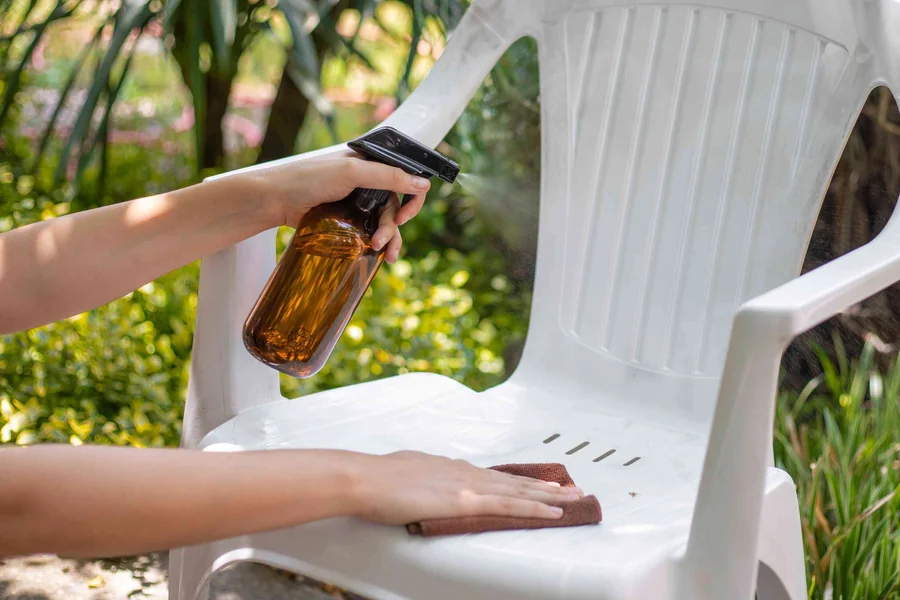
Spending time on the patio should feel relaxing. Fresh air, comfortable seating, and a clean outdoor space make it a perfect place to unwind. But many homeowners experience a frustrating problem. They clean their patio furniture, yet only a short time later, it feels dusty, sticky, or grimy again.
If you have ever wiped down your outdoor table or cushions only to find them dirty again the next day, you are not alone. The truth is that outdoor furniture is constantly exposed to elements that bring hidden grime. Even when furniture looks clean, tiny particles from the surrounding environment continue to settle on it.
Understanding why this happens can help you keep your patio cleaner for longer.
Outdoor Furniture Is Constantly Exposed to Airborne Dust
One of the biggest reasons patio furniture feels dirty so quickly is airborne dust. Outdoor spaces naturally collect dust carried by the wind. This dust comes from many sources, including soil, nearby roads, construction areas, and even dry leaves breaking down.
When wind moves through your yard, these tiny particles settle on every surface. Patios, railings, tables, and chairs all become landing spots for dust. At first, the layer may be so thin that you cannot see it. However, when you sit down or run your hand across the furniture, the gritty feeling becomes obvious.
Outdoor cushions are especially good at trapping dust. Fabric fibres hold small particles that simple wiping often cannot remove. As a result, even recently cleaned furniture may start to feel dirty again within a day or two.
Pollen Is a Major Hidden Problem
During spring and early summer, pollen becomes a major source of outdoor grime. Trees, grasses, and flowers release millions of microscopic pollen grains into the air.
These grains are extremely light, allowing them to travel long distances before settling. Patios and outdoor furniture often collect large amounts of pollen because they are flat surfaces exposed to the open air.
At first, pollen may appear as a light yellow or green dust. But moisture from morning dew or humidity can cause pollen to stick to surfaces. When this happens, it forms a thin film that makes furniture feel sticky or dirty even after it has been wiped down.
This is one reason many people feel like their outdoor cleaning never lasts during pollen season.
Tree Sap and Organic Debris Add Another Layer of Grime
If your patio sits near trees, another issue may be affecting your furniture: tree sap and organic debris.
Tree sap can drip or fall from branches above. Even small droplets can create sticky spots on furniture surfaces. Over time, these spots collect dust and dirt, creating patches of stubborn grime.
Leaves, flower petals, and tiny bits of bark also break down as they sit on patios. When these materials mix with moisture, they create organic residue that spreads onto nearby furniture.
This type of grime can be hard to notice at first. However, once it transfers to cushions or fabric seating, it quickly makes the entire patio area feel less clean.
Moisture Allows Dirt to Stick
Moisture is another major reason outdoor furniture becomes dirty again so quickly.
Morning dew, humidity, and rain leave thin layers of moisture on patio surfaces. When airborne particles like dust or pollen land on these damp areas, they stick more easily.
Patio furniture fabrics absorb moisture as well. Once damp, they attract and hold dirt more effectively. Even if you cleaned the furniture earlier, a humid night can allow a new layer of grime to build up by morning.
Hidden Grime Builds Up on the Patio Itself
Many people focus only on cleaning the furniture. However, the patio surface itself often holds a surprising amount of hidden dirt.
Concrete, stone, and pavers have small pores and textured surfaces. These areas trap dust, pollen, and organic debris. When people walk across the patio, this debris gets disturbed and lifted back into the air.
Once airborne again, the particles settle onto nearby furniture and cushions. This means your seating area can become dirty again shortly after cleaning, simply because the patio underneath still contains grime.
Nearby Surfaces Also Contribute to the Problem
The patio is not the only area responsible for spreading grime. Nearby surfaces like sidewalks, driveways, fences, and exterior walls can also collect dirt over time.
Wind, foot traffic, and weather move particles from these surfaces across the patio. Once again, the dust eventually settles on furniture.
For example, concrete walkways often collect soil and debris. When people walk across them, those particles can easily travel onto the patio and seating area.
Cleaning these surrounding areas can make a noticeable difference in how long patio furniture stays clean.
Why Pressure Washing Can Help
When grime builds up across multiple outdoor surfaces, basic cleaning may not be enough to solve the problem.
Pressure washing is one method that can remove deeper dirt from patios, concrete, and nearby structures. This process uses controlled water pressure to wash away debris trapped in textured surfaces.
By cleaning the patio itself and surrounding areas, pressure washing reduces the amount of dust and residue that can settle back onto furniture.
Services such as house washing services in Coeur d’Alene specialise in cleaning exterior surfaces, including patios, siding, and walkways. Removing built-up grime from these areas helps prevent outdoor furniture from becoming dirty again soon after cleaning.
Simple Habits That Help Keep Patio Furniture Cleaner
While outdoor furniture will never stay perfectly clean forever, a few simple habits can help extend the time between cleanings.
First, regularly sweep or rinse the patio surface to remove loose debris before it spreads. Even small amounts of dirt can transfer quickly onto seating areas.
Second, use furniture covers when the patio is not in use. Covers block pollen, dust, and falling debris from settling directly on cushions and tables.
Third, trim nearby trees or plants if possible. Reducing overhanging branches can limit sap, leaves, and pollen from falling onto the patio.
Finally, occasionally deep-clean the entire outdoor space rather than only the furniture. Addressing the surrounding surfaces helps stop the cycle of grime returning so quickly.
A Cleaner Patio Starts With the Whole Area
It can be frustrating to clean patio furniture only to find it feeling dirty again. But in most cases, the furniture is not the real problem.
Outdoor spaces constantly collect dust, pollen, organic debris, and moisture. These elements settle on patios, nearby concrete, and surrounding surfaces before eventually transferring onto furniture.
By cleaning the entire patio environment, not just the seating, you can greatly reduce how quickly grime returns. When the surrounding area is maintained properly, your patio furniture will stay fresh, comfortable, and ready to enjoy for much longer.
Conclusion
Patio furniture often feels dirty again because dust, pollen, moisture, and debris keep settling from the surrounding environment. Even if the furniture is cleaned, dirt from patios, walkways, and nearby surfaces can quickly transfer back. Keeping the entire outdoor area clean helps furniture stay fresh for a longer time.