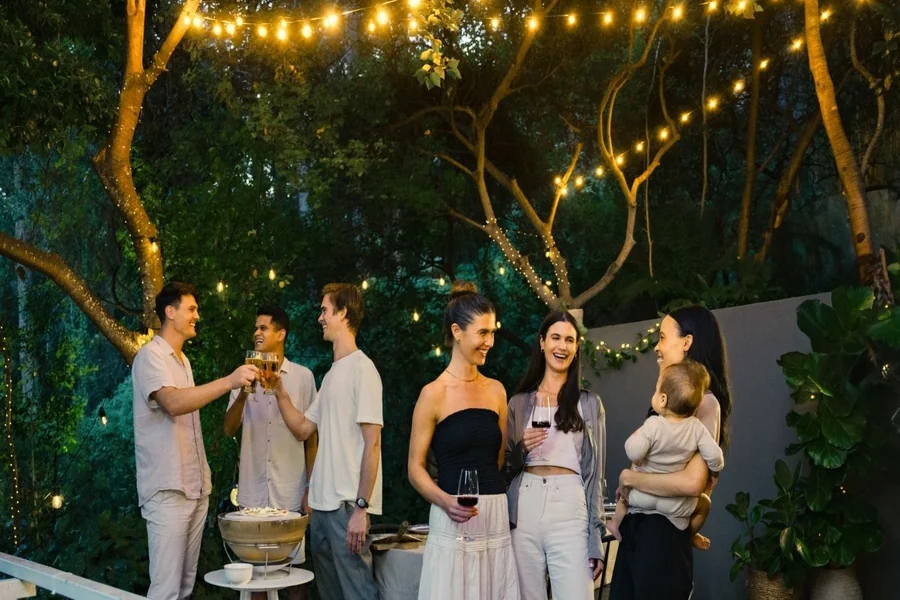
Lighting is the heartbeat of photography. It shapes every image we see, transforming the ordinary into the extraordinary. Whether you’re capturing a sweeping real estate landscape or a simple family moment on the porch, light placement determines how your photos feel — their warmth, depth, and emotion.
In outdoor photography, lighting can be both your best friend and your greatest challenge. Natural sunlight, shadows from trees, reflections from nearby surfaces — all these elements work together (or against you) to define the final image. Understanding where light falls and how to control it can make the difference between a photo that’s good and one that’s unforgettable.
The Power of Direction: Front, Side, and Backlight
The first rule of great outdoor photography is knowing where your light comes from. The direction of light can dramatically change the tone of a scene.
- Front lighting (where the sun shines directly onto the subject) creates clarity and vivid color. It’s perfect for bright, cheerful photos like property exteriors or family portraits on a sunny afternoon. However, it can also flatten the image, reducing depth and texture.
- Side lighting introduces drama. By casting long shadows and enhancing contrast, it adds dimension — ideal for real estate photos that highlight architectural details or natural textures, like brick walls and garden paths.
- Backlighting, when used thoughtfully, can be magical. When the light is behind your subject, it creates glowing outlines and a sense of atmosphere — especially beautiful during the “golden hour,” that fleeting window just after sunrise or before sunset. It’s a favorite among photographers capturing candid family moments or dreamy outdoor shots.
In each case, the secret is balance. Too much direct sunlight can wash out colors; too little, and the photo loses its vibrancy. Adjusting the angle, timing, or even using reflective surfaces to bounce light can help create harmony.
The Color of Emotion: Warm vs. Cool Light
Light isn’t just about brightness — it’s also about color temperature. Warm light carries hues of orange and gold, evoking feelings of comfort and nostalgia. Cool light leans toward blue and white tones, conveying clarity and professionalism.
In real estate photography, for instance, warm light can make a house feel inviting and “lived-in.” Morning or late-afternoon light works wonders for exterior shots, wrapping the home in a soft, golden glow that enhances its curb appeal. On the other hand, cool light, often found on cloudy days or in the shade, is perfect for capturing crisp, modern property photos where detail and texture are key.
In family photography, warm tones are nearly always the hero. They make skin tones look natural, smiles brighter, and moments cozier. That’s why so many photographers chase the golden hour — those brief, glowing minutes that make everything and everyone look their best.
Lighting and Real Estate: Selling a Feeling, Not Just a Home
Real estate photography isn’t just about documenting spaces — it’s about telling a story. The right light doesn’t just reveal a home; it reveals how it feels to live there.
Imagine two photos of the same house: one taken at noon, under harsh overhead sunlight, and another taken in the late afternoon, when the front porch glows softly in amber light. The difference is striking. The latter feels like home — warm, peaceful, and inviting.
Photographers who specialize in real estate know that timing is everything. They study the sun’s path, waiting for the perfect moment when the property’s best features naturally shine. Strategic lighting placement — whether natural or artificial — helps transform an ordinary listing into an emotional experience.
Lighting and Family Photos: Crafting Memories that Glow
Family portraits thrive on connection, emotion, and warmth — and light has the power to amplify all three.
Outdoor lighting can be tricky. Midday sun often casts harsh shadows that can make faces appear uneven or overexposed. That’s why photographers often suggest shooting early in the morning or just before sunset, when light softens and spreads gently across the frame.
Even subtle changes, like turning slightly toward or away from the sun, can create softer highlights and more flattering tones. Adding a small reflector or using natural surfaces (like a white wall or sandy beach) can help bounce light beautifully onto faces, creating that soft, timeless glow every family photo deserves.
Creating a Photo-Ready Home with Holiday Lights
There’s another layer to outdoor lighting — one that brings both artistry and emotion: decorative lighting.
During the holiday season, nothing transforms a property like carefully placed Christmas lights. The soft twinkle of string lights and the gentle glow of warm bulbs can turn any yard, porch, or home exterior into a picture-perfect backdrop.
For homeowners looking to elevate their photos — whether for real estate listings or family holiday cards — scheduling a professional Christmas lights installation in Junction City can make all the difference. Skilled installers understand how to balance brightness and placement, ensuring the lights enhance the home’s features rather than overpower them.
The result? A setting that feels magical, cozy, and camera-ready. It’s the kind of detail that turns a simple photo session into a cherished memory or a property listing that stands out from the rest.
The Art of Knowing When to Step Back
Ultimately, great lighting isn’t about overpowering nature — it’s about working with it. Outdoor photographers learn to read the sky, anticipate shifts in weather, and adjust to fleeting moments of perfect light.
Sometimes, it’s about waiting — waiting for the sun to dip just below the horizon, for clouds to scatter light evenly, or for the first evening glow to wrap a home in quiet beauty.
Because the truth is, photography isn’t just about what’s seen — it’s about what’s felt. And light, more than any other element, carries emotion.
Conclusion
In both real estate and family photography, light is the storyteller. It’s what turns walls into homes, and moments into memories. The direction, temperature, and timing of light can elevate a scene from flat to extraordinary — revealing not just beauty, but warmth, authenticity, and emotion.
So the next time you step outside with a camera, look not only at your subject but at how light touches it. Notice how it moves, how it shapes, how it breathes. And if you’re preparing your home for photos this season, consider the magic that thoughtful lighting — from the golden hour to Christmas lights installation in Junction City — can bring.