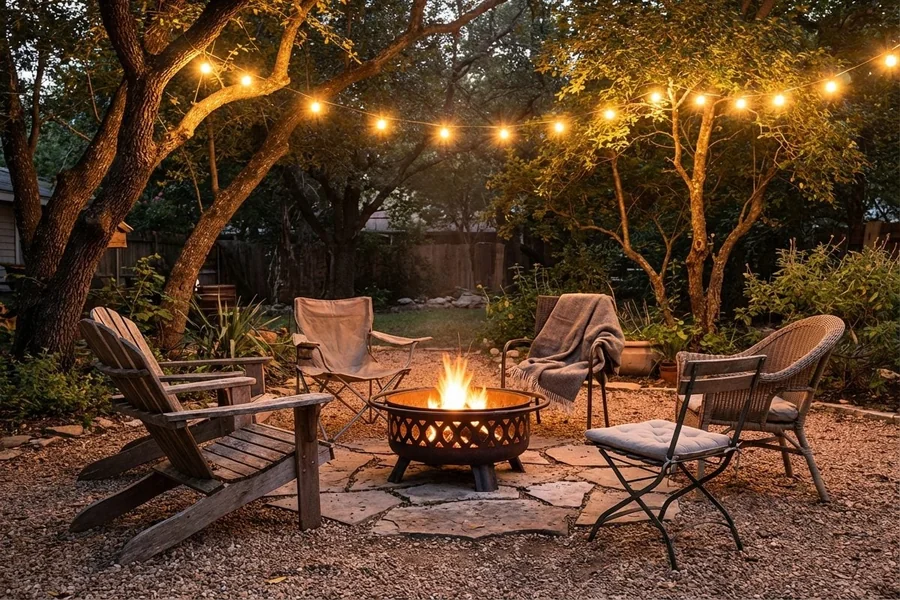
A backyard can look perfectly suitable when a family first moves into a home, but family life rarely stays the same for long. Children grow, pets become part of everyday routines, and outdoor activities often change with the seasons. A small patio that once worked for two adults may feel crowded after a few years. Pathways can become inconvenient, storage areas may overflow, and there may be nowhere comfortable for everyone to gather during summer evenings. These changes do not necessarily mean homeowners need to move or completely rebuild their yards. Often, they simply indicate that the original backyard design no longer matches the way the family lives. Recognizing these signs early can help homeowners make practical improvements while keeping the space comfortable, attractive, and useful.
1. The Backyard Feels Too Small for the Family
One of the clearest signs that a backyard has outgrown its original design is a lack of usable space. A yard may technically have plenty of square footage, but poor planning can make it feel cramped.
When children are young, they may need an open area for running, playing ball, riding bikes, or using outdoor toys. As they become older, their activities can require different spaces. Teenagers might want an area for friends, while parents may prefer a quiet seating zone.
A successful family backyard does not necessarily need to be enormous. It needs to accommodate the activities that matter most. Landscape guidance from the Royal Horticultural Society notes that even smaller gardens can provide room for movement, pathways, and activity areas when they are planned carefully.
If everyone is constantly stepping around furniture, toys, bicycles, or outdoor equipment, the layout may be telling you that it is time for an update.
2. Children Have Outgrown the Original Layout
Families often design their first backyard around the age of their children. A small play area might have been perfect for toddlers, but children’s needs change quickly.
Older children usually need more room for active play and social activities. A lawn that once held a small slide may eventually need to accommodate soccer games, outdoor games, bicycles, or larger groups of friends.
Safety also becomes increasingly important. Families should keep clear pathways, maintain secure gates, and ensure play equipment is positioned safely. The American Academy of Pediatrics recommends careful supervision and appropriate safety measures around backyard play areas.
Rather than filling the yard with more equipment, homeowners can rethink how the space is divided. An open central area can provide flexibility while seating, planting beds, and storage can be positioned around the edges.
3. The Patio No Longer Handles Family Gatherings
A patio that worked when the family consisted of two people can quickly become inadequate when children, relatives, and friends regularly join summer gatherings.
During warm months, backyards often become an extension of the home. Families may eat outdoors, host barbecues, celebrate birthdays, or simply sit outside in the evening. Outdoor design guidance increasingly emphasizes planning spaces around their actual uses, including dining, relaxing, entertaining, and accommodating children or pets.
Before expanding or rebuilding a patio, homeowners may want to refresh the existing surface. Dirt, algae, stains, and accumulated grime can make an otherwise functional outdoor area look neglected. Homeowners preparing for a larger improvement project may consider working with Anderson, SC pressure washing contractors to clean patios, walkways, and other exterior surfaces first.
A clean surface can make it easier to see what actually needs replacing and what simply needs maintenance.
4. Pets Have Changed How the Yard Is Used
Pets can completely change backyard priorities. A family may initially design a yard around landscaping and entertaining, only to discover that a dog needs room to run, shaded areas to rest, and clear paths for movement.
Pet-friendly landscaping does not mean sacrificing an attractive design. Penn State Extension recommends creating dedicated exercise areas and pathways while protecting vulnerable planting beds from pets.
If a dog repeatedly damages the same flower bed, creates muddy routes across the lawn, or spends most of its time in one part of the yard, those habits provide useful information about how the space should be redesigned.
A designated pet area, durable ground cover, better fencing, or a simple pathway can make the yard easier to maintain. The goal is to work with the family’s daily routines rather than constantly fighting them.
5. Pathways No Longer Make Sense
Pathways are easy to overlook because they are often considered decorative features. In reality, they can have a major impact on how a backyard functions.
Families may notice that children take shortcuts across planting beds, pets repeatedly use one particular route, or guests struggle to reach the patio without walking through grass.
These patterns indicate that the original circulation plan may no longer fit the household.
A redesigned pathway can connect the back door to the patio, storage shed, garden, play area, or other frequently used destinations. Curved paths, stepping stones, and other practical layouts can also add character without consuming excessive space.
Before installing anything new, homeowners should observe how people actually move through the yard. The most natural route is often the best starting point for a redesign.
6. Outdoor Storage Has Taken Over
Another common warning sign is storage overflow.
Families accumulate bicycles, sports equipment, gardening tools, toys, pet supplies, outdoor furniture, grills, and seasonal decorations. A storage solution that was sufficient several years ago may no longer be practical.
When these items begin occupying the patio or lawn, the backyard loses valuable living space.
Instead of simply adding another storage container, homeowners can consider vertical storage, built-in benches with hidden compartments, a small shed, or dedicated equipment zones. The best solution depends on the yard size and the family’s needs.
Keeping frequently used items easily accessible can also reduce clutter. Less frequently used belongings can be moved to a more discreet storage area.
7. The Family’s Lifestyle Has Changed
Sometimes the problem is not the physical size of the yard. It is the way the family uses it.
Perhaps the homeowners now work from home and want a quiet outdoor sitting area. Maybe they enjoy hosting weekend dinners, have started gardening, or want a comfortable place for children to spend time away from screens.
Outdoor living experts recommend beginning with the purpose of the space rather than selecting features first.
This approach can prevent homeowners from spending money on improvements that look attractive but do not solve their actual problems.
A backyard might need several distinct zones, such as a dining area, children’s play space, pet area, garden, and quiet seating corner. These zones do not always require walls or expensive construction. Furniture, planting beds, pathways, shade structures, and changes in surface material can create natural separation.
8. Summer Makes Every Problem More Obvious
Summer is often when backyard design problems become impossible to ignore.
Families spend more time outside, children play for longer periods, pets use the yard frequently, and outdoor entertaining becomes more common. A patio that seemed adequate in spring may suddenly feel too small when ten people are gathered around a table.
Summer also makes surface cleanliness more noticeable. Dirty pavers, stained concrete, slippery areas, and neglected walkways can affect the overall appearance of an outdoor space.
This is why summer can be a useful time to assess the backyard before making larger changes. Cleaning and maintenance can reveal whether a surface needs replacement or simply needs proper care.
9. The Backyard Does Not Provide Enough Comfortable Seating
Seating is another strong indicator that a backyard has outgrown its original purpose.
A couple of chairs may have been enough when the home was first occupied. As families grow and social gatherings become more frequent, homeowners may need dining chairs, lounge seating, benches, or flexible furniture that can be moved depending on the occasion.
Modern outdoor design increasingly treats the backyard as another living area, with different seating arrangements supporting dining, relaxation, and entertaining.
The answer does not always involve buying more furniture. Sometimes the better solution is to reorganize the existing pieces and create a clear focal area.
10. Maintenance Takes More Time Than Enjoyment
Perhaps the most important sign is when maintaining the backyard becomes a constant chore.
If homeowners spend more time cleaning, moving equipment, repairing damaged areas, and managing overgrown landscaping than actually enjoying the space, the design may no longer be appropriate.
A successful redesign should consider maintenance from the beginning. Durable materials, practical planting choices, accessible storage, defined pathways, and sensible drainage can reduce future work.
Homeowners should also separate cosmetic problems from structural ones. Pressure washing, trimming, repainting, or reorganizing furniture may solve some problems. Others may require professional landscaping, drainage work, patio construction, or fencing changes.
How to Decide What Needs to Change First
Homeowners do not need to redesign everything at once. A simple assessment can help identify priorities.
Start by observing the backyard during a normal summer day. Where do children spend their time? Which route do pets use? Where do adults sit? Where do guests gather? Which items create clutter?
Next, identify the biggest problem. If the patio is too small, focus on entertaining space. If toys dominate the lawn, create organized storage. If pets destroy planting beds, establish a pet-friendly layout.
It is also useful to clean the existing outdoor surfaces before making decisions. A refreshed patio or pathway may look completely different once dirt and buildup have been removed.
Finally, consider how the family might use the backyard several years from now. A good redesign should solve today’s problems without creating limitations for tomorrow.
FAQs
1. How often should families redesign their backyard?
There is no fixed schedule. A backyard should be reconsidered whenever the family’s needs change significantly. Growing children, new pets, increased entertaining, or changes in lifestyle can all indicate that the existing design needs adjustment.
2. Does a backyard redesign always require major construction?
No. Many improvements can be relatively simple. Reorganizing furniture, improving storage, adding pathways, creating activity zones, cleaning surfaces, and introducing shade can make a significant difference without rebuilding the entire yard.
3. How can families make a backyard more child-friendly?
Families can create open areas for active play, maintain clear pathways, secure gates and equipment, provide shade, and keep hazardous tools or chemicals out of children’s reach. The design should also allow adults to supervise children easily.
4. Should homeowners clean the backyard before remodeling it?
Yes. Cleaning patios, pathways, walls, and other outdoor surfaces can help homeowners understand the true condition of the existing space. It may also improve the appearance without requiring immediate replacement, allowing families to focus their renovation budget on areas that genuinely need improvement.
Conclusion
A backyard does not become outdated simply because its landscaping is old. More often, it becomes outdated because the family’s life has changed. Children grow, pets develop new routines, storage needs increase, and summer gatherings become more frequent. These changes can make patios feel crowded, pathways inconvenient, and outdoor spaces less enjoyable.
The best response is not always a complete renovation. Families can start by identifying how the yard is actually being used and then make targeted improvements. Cleaning existing surfaces, improving storage, creating activity zones, adjusting pathways, and adding practical seating can often make the backyard work better.
When larger changes are necessary, a clear understanding of the family’s current and future needs can help homeowners create an outdoor space that remains useful for years rather than simply looking good for one season.