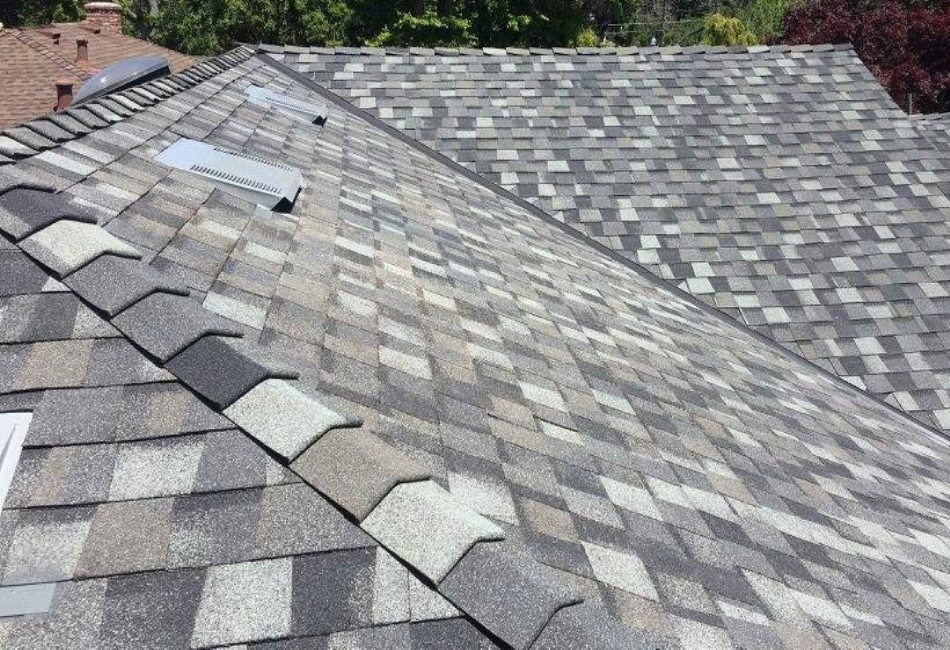
The regular change in climate presents unique challenges for roofing materials. With its mix of hot summers, cold winters, and varying precipitation, these coverings face a range of stresses year-round. Asphalt shingles remain a common choice in this region due to their affordability and adaptability. Extending their lifespan requires understanding the local environment and applying appropriate care strategies.
Understanding Asphalt Roofing
Asphalt shingles are one of the most commonly used roofing materials in residential construction due to their proven performance and accessibility. Selecting long-lasting asphalt roof options is essential for homes, as these shingles provide reliable protection against water infiltration, which is crucial in the region’s often wet climate. The granules on the shingle surface help shield the underlying asphalt from UV radiation, slowing deterioration caused by sun exposure.
Additionally, asphalt shingles offer a range of styles and colors, allowing homeowners to balance aesthetics with functionality. The performance of asphalt shingles relies heavily on their ability to adapt to frequent weather changes. The material’s flexibility allows it to expand and contract with temperature variations without immediate damage.
Routine Inspections and Maintenance
Regular inspections are crucial for identifying small issues before they escalate. Experts typically examine shingles for signs of damage such as curling, cracking, or missing sections. Attention is also given to flashing around chimneys, vents, and skylights, as these areas are vulnerable to leaks.
Maintenance may include cleaning gutters and downspouts, as well as removing debris such as leaves and branches. Professionals might apply treatments to inhibit moss and algae growth, preserving the shingles’ appearance and function. For instance, before winter, loose shingles may be repaired to prevent ice dams, while spring inspections can focus on damage from winter storms.
Fixing and Replacing Damaged Roofing
When damage occurs, roofing specialists assess the extent to determine whether repair or replacement is necessary. Small problems, such as isolated shingle damage or minor leaks, can often be fixed without a full replacement. Prompt repairs help maintain the overall integrity of the structure.
In cases where wear is widespread or shingles have reached the end of their lifespan, replacement becomes necessary. Professionals guide property owners through selecting suitable materials that meet both aesthetic preferences and functional needs. Installation techniques tailored to local weather conditions help optimize the longevity of the system.
Step-by-Step Process of How Professionals Conduct an Inspection
A professional roof inspection follows a clear and systematic process to evaluate and maintain asphalt shingles. This method ensures that any issues are identified and addressed effectively, supporting the structure for years to come:
- Free Initial Inspection: A detailed visual examination of shingles, flashing, gutters, and ventilation is conducted without obligation.
- Consultation and Findings: Inspection results are communicated, outlining necessary maintenance, repairs, or replacements.
- Customized Plan Development: A plan is developed based on the condition of the roof and environmental considerations, including preventive measures and repairs.
- Scheduled Maintenance and Repairs: Skilled teams perform maintenance tasks such as cleaning moss, removing algae and debris, repairing leaks, and replacing shingles.
- Follow-Up and Monitoring: Regular check-ups are recommended to maintain roof health and address emerging issues promptly.
How Experts Advise on Material Choices and Installation Best Practices
Selecting quality asphalt shingles with enhanced durability features is a key step. Options with improved granule coatings and stronger fibers resist weathering better than basic models. Some variants offer additional protection against Ultraviolet rays and moisture.
Installation quality directly affects the roof’s performance. Professionals ensure shingles are laid evenly and secured with fasteners to prevent wind uplift. Proper alignment and overlap prevent water penetration. Attention to flashing and sealants also safeguards vulnerable areas. These practices, combined with suitable materials, create a roofing system more capable of enduring varied weather.
Extending the life of an asphalt roof requires careful attention to local climate challenges and regular upkeep. Choosing long-lasting asphalt roof options, combined with proper maintenance, protects against seasonal wear. Consistent inspections, timely repairs, and quality installation all contribute to a durable system that withstands changing weather.