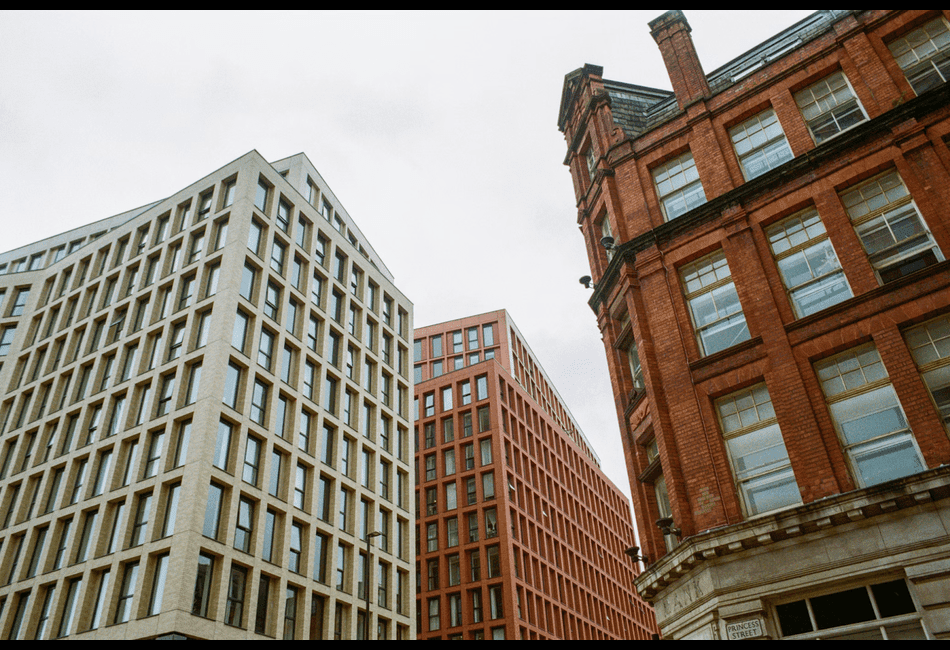
As the world becomes increasingly urbanized, the design and management of cities have become a crucial focus for planners, policymakers, and technologists. The modern metropolis is no longer just a collection of buildings, roads, and infrastructure – it is a complex, living organism that requires innovative solutions to address the ever-evolving needs of its inhabitants. This article will explore transformative technologies reshaping how we envision and construct our urban landscapes.
The Evolution of Urban Design
Historically, cities have transformed remarkably from simple settlements to bustling metropolitan hubs. Traditionally, urban design focused on practical considerations such as housing, transportation, and resource allocation. However, as populations grew and technology advanced, the approach to city planning has become increasingly sophisticated.
In the past, urban planners relied heavily on static blueprints and manual processes to map out a city’s layout. This approach often resulted in rigid, top-down designs that failed to account for the dynamic nature of urban environments. Today, the landscape of city design has been revolutionized by integrating cutting-edge technologies.
3D modeling software has revolutionized how planners render roads and buildings, allowing for more accurate and detailed visualizations of urban development. These tools enable designers to experiment with different layouts, test the feasibility of various infrastructure projects, and optimize the use of available space. By incorporating data-driven decision-making into the planning process, cities can now make more informed choices that better serve the needs of their communities.
Smart Cities: The Future of Urban Living
The concept of a “smart city” has gained significant traction in recent years as municipalities strive to harness the power of technology to improve the quality of life for their citizens. At the heart of the intelligent city movement is integrating the Internet of Things (IoT), big data, and artificial intelligence (AI) into the fabric of urban infrastructure.
By connecting various systems and devices through IoT, cities can gather and analyze vast amounts of data to optimize resource allocation, enhance public services, and address pressing challenges. From site plan 3D rendering services that visualize urban development to intelligent traffic management systems, the smart city approach transforms how we live, work, and interact within our urban environments.
IoT and Connected Infrastructure
The rise of the IoT has revolutionized the way cities manage their infrastructure. Sensors embedded throughout the urban landscape collect real-time data on everything from traffic patterns to energy usage, enabling city officials to make informed decisions and respond to issues more efficiently. For example, 3D site plan render systems can monitor the flow of vehicles and pedestrians, adjusting traffic signals and public transportation routes to minimize congestion and reduce carbon emissions.
The integration of IoT technology has also facilitated the development of smart grids, which can optimize the distribution and consumption of electricity. By monitoring energy usage and identifying areas of waste or inefficiency, these systems can help cities reduce their environmental impact and promote sustainable energy practices.
Sustainable Urban Technologies
As cities strive to become more environmentally conscious, sustainable technologies have become integral to the modern urban landscape. From renewable energy sources such as solar and wind power to site plan 3D renderings incorporating green building design, cities embrace eco-friendly solutions to reduce their carbon footprint and promote a healthier, more sustainable future.
The use of green infrastructure, such as urban forests, green roofs, and porous surfaces, can also play a crucial role in mitigating the effects of climate change. These natural elements not only improve air quality and reduce urban heat island effects but also contribute to a city’s overall aesthetic appeal, enhancing the quality of life for its residents.
Autonomous Transportation Systems
One of the most significant advancements in smart city technology is the emergence of autonomous transportation systems. Self-driving vehicles and public transport options are poised to transform how people move within urban environments. By reducing the need for traditional parking spaces and enabling more efficient 3D site plan rendering, autonomous transportation can free up valuable real estate, reduce traffic congestion, and lower emissions, ultimately creating a more accessible and livable city.
Integrating autonomous vehicles can also revolutionize the delivery of goods and services within urban areas. Site plan 3D rendering services can optimize the routing and scheduling of autonomous delivery vehicles, reducing the number of traditional delivery trucks and further contributing to the city’s overall sustainability.
The Role of AI in Urban Planning
Integrating AI technology has become a crucial component of modern urban planning. AI-powered simulations and algorithms can analyze vast amounts of data to optimize city design, resource allocation, and problem-solving. AI is revolutionizing how cities are planned and managed, from identifying optimal locations for new housing developments to rendering roads and buildings that maximize efficiency and sustainability.
AI-driven urban analytics can also assist in predicting and mitigating the impact of natural disasters, such as floods or earthquakes. By using historical data and predictive models, cities can better prepare for these events and implement proactive measures to protect their infrastructure and citizens.
Moreover, AI can significantly enhance the delivery of public services. 3D site plan render systems powered by AI can help optimize waste management, emergency response, and even municipal decision-making, ensuring that resources are allocated to best serve the community’s needs.

Challenges of Integrating New Technologies
While the potential benefits of incorporating cutting-edge technologies into city design are immense, municipalities also face unique challenges when integrating these advancements. Security, cost, and the digital divide must be carefully addressed to ensure the successful implementation of innovative city initiatives.
Overcoming Security and Privacy Concerns
The widespread adoption of IoT and data-driven technologies in urban environments raises valid concerns about data privacy and cybersecurity. As cities collect and store vast amounts of sensitive information, it is crucial to implement robust security measures to protect citizens’ personal data and prevent malicious attacks on critical infrastructure.
Addressing these concerns requires a multifaceted approach, including developing secure data storage and transmission protocols, implementing stringent access controls, and educating city officials and the public on best practices for data protection. Site plan 3D rendering solutions incorporating secure data management can help mitigate these risks and build trust among residents.
Addressing the Digital Divide
Integrating new technologies in city design also risks exacerbating the digital divide, where certain communities may have limited access to the technological resources and skills necessary to participate fully in the smart city ecosystem. Addressing this disparity and ensuring equitable access to these advancements is a key challenge for city planners and policymakers.
Strategies to bridge the digital divide may include:
- Investing in public internet access points.
- Providing digital literacy programs.
- Collaborating with community organizations ensures that all residents can benefit from the advantages of innovative city technologies.
3D site plan rendering services that are accessible and user-friendly can also help promote digital inclusion.
Conclusion
The modern metropolis is a dynamic and ever-evolving landscape where the integration of cutting-edge technologies is transforming how we design, manage, and experience urban environments. From site plan 3D rendering services that visualize urban development to autonomous transportation systems that streamline mobility, the technologies driving contemporary city design are shaping the future of urban living.
As municipalities continue to navigate the challenges of adopting these advancements, the promise of the intelligent city remains a compelling vision of a more efficient, sustainable, and livable urban future. By harnessing the power of IoT, AI, and other emerging technologies, city planners and policymakers can create urban environments that are responsive to their citizens’ needs and serve as beacons of innovation and progress.
Ultimately, the success of innovative city initiatives will depend on the ability of local governments, private sector partners, and community stakeholders to work together to address the complex issues and unlock the full potential of these transformative technologies. By embracing the opportunities presented by the modern metropolis, we can create more livable, resilient, adaptable, and equipped cities to meet the challenges of the 21st century and beyond.
Author:
Aimee S. Marshall
Aimee is a seasoned digital artist and design enthusiast who is passionate about creating stunning visuals. With over a decade of experience in 3D rendering and design, she has worked on projects spanning various industries, from architecture and interior design to product visualization and advertising. Aimee shares her expertise and insights through writing, mentoring, and speaking engagements, aiming to inspire others in the dynamic world of 3D rendering and design.