Spring is an important season for home maintenance, and May is possibly the best month for identifying water-related issues with your home. Hidden issues caused by winter moisture, snow, and spring rain begin to show. Warm temperatures with long hours of sunlight have a direct impact on homeowners’ ability to thoroughly check every area of their home. Many homeowners hire a Bloomington gutter cleaner for overflowing gutters. With the added spring rain, the problem that inevitably reveals itself as a chronic issue is often the gutters’ drainage.
Being proactive is key when addressing water concerns around one’s home. This is because water related problems often get worse quickly. For example, what may seem to be a small issue, such as clogged gutters, can very rapidly lead to soil compaction or damage, thereby compromising the foundation of a home or causing damage to the landscape. Due to the frequency with which water issues escalate, May is considered an excellent time of year to conduct an exterior inspection of your home.
Why May is the best time for exterior inspections
May has temperate weather which allows for comfortable exterior inspections and yet is prime time for rain. and illustrates clear defining problems of water damage that homeowners have. Water-related problems are increasingly apparent thanks to the seasonal rain, warmth, and sunlight. Plus, ice and snow damage that have previously hidden problems of moisture, including damaged gutters and siding, are revealed. By May, the damage done to a home, and its response to the seasonal rain, is clear.
Another reason May is ideal is the start of plants and grass starting their seasonal growth. Healthy landscaping indicates that the water is properly draining instead of pooling at various spots on the property. Patchy grass, muddy areas, and dead plants all indicate that moisture is not moving correctly across the property.
Start With Your Gutters and Downspouts
Homeowners should begin by checking their gutter system. Gutters manage the flow of rainwater and redirect away from the home protecting the roof, siding, the house’s foundation, and landscaping. Gutters that are blocked with leaves, sticks, and numerous other things make rainwater overflow and spillage occurs on the side walls and grounds under.
There are many tell-tale signs of overflowing gutters. One sign is streaks along the siding of the house, paint peeling on the roof, or puddles at the foundation. In more severe cases, the backsplash that gathers at the foundation may actually damage the home’s basement walls or cause leaks within the house.
Take a walk around your property during or right after a rainstorm to check how your gutters perform. Check how the water is flowing through the system and how far it is discharging from the foundation. From the foundation it should discharge several feet away. It may be time to perform some cleaning and repairs to fix any overflow.
Gutter cleaning should be only one aspect of routine exterior maintenance. It’s also necessary to prevent roof damage, insect activity, and mold growth. A lot of homeowners take the time to hire professional gutter services and inspections during the early spring months since issues with the water flow through the system are more apparent.
Check for Standing Water Around the Foundation
Standing water is a critical issue. Check for standing water after it rains. Look for puddles that disappear to verify if you may have ‘standing water’ that can infiltrate and collect in your basement, causing many moisture-related structural issues.
Standing water issues are often a result of bad grading. The ground where it meets the foundation should be angled or graded away from the house.
Good grades shift water away and poor grades shift water toward. Regularly check areas that remain wet. Good drainage and bad drainage can be achieved with gutters and good landscaping or soil grading changes.
Watch for Soil Erosion and Landscape Damage
Spring storm systems may remove topsoil from your house. This effect is called erosion. This can also harm the structural integrity of your landscaping and the foundation of your home, as well as walkways and patios.
The are signs to look for in your mulch beds, steep, and sloped areas. Gully’s, and trenches formed in soil interspersed with visible roots due to erosion may pave a path for soil erosion. It is possibly moving too quickly, consequently causing instability.
Retaining walls, drainage channels, and landscaping barriers must be checked in May. Excess water or poor management of drainage issues can be indicated by cracks, leaning sections, or disappearing materials.
Nice landscaping can also help solve water issues or keep your property from getting damaged. Grass, shrubs, and plants help absorb rainwater and hold soil from washing away, resulting in less erosion and less drainage issues.
Inspect Siding and Your Exterior Walls
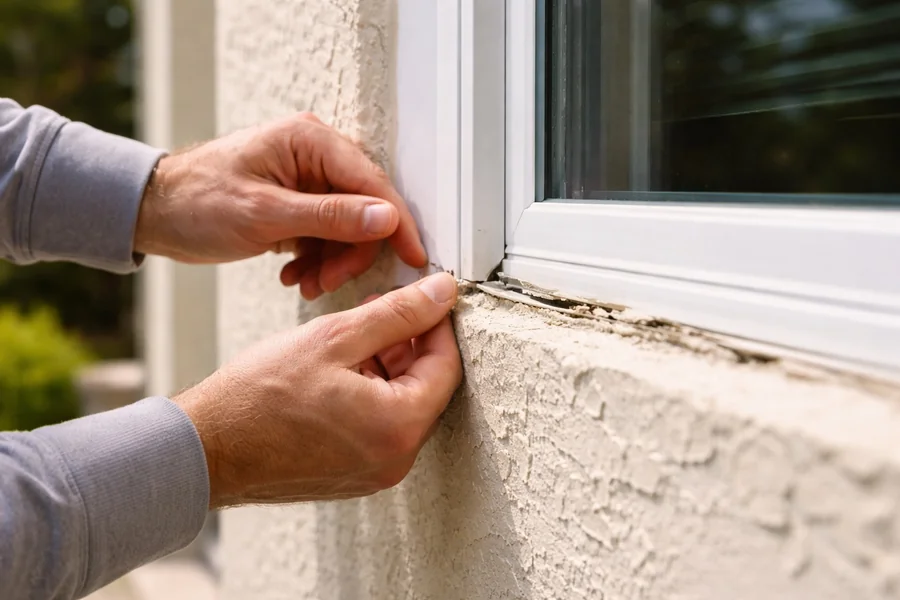
While your siding helps keep moisture out, rain can help expose any weak points that need to be addressed. Paint that looks to be fried or peeling, and walls that look stained or discolored are reasons to be concerned and to walk the property.
Paint and siding that discolors are signs of wood or paint that has been exposed to water damage and is trapped. These issues are severe, especially around the edges and gutters of the roofs.
These signs should not be ignored, as they can lead to a number of other issues such as wood rotting or deterioration.
Examine Your Roof After Rainstorms
The roof is the most important element of your home during the peaks of a rainstorm and deserves more than the average attention. Many signs can still be seen from the ground during inspections and without a proper safety harness, it is still unsafe to walk on the roof.
Inspect for missing shingles. Look for areas on the roof that sag or have dark streaks. These could be signs of water pooling. Leading edges can let water in around chimneys and vents if the flashing is poor.
Look for corrosive stains of water damage on sealing and on ventilation insulated panels and under the roof. Look to see if signs on the floor of the attic show mold or moisture. This can be due to small holes in the roof that can expand in the rain.
Look to see if trees on the property line have branches that overhang your roof. These can cause damage to the surface of the roof and can damage the roof by clumping the drainage system.
Look at the Walkways and Driveways
Drainage issues can be concealed under large sections of paved materials. Issues can also develop over time due to standing water that freezes and thaws. This can happen on walkways, patios, and driveways after every winter season.
Look and see if water drains after a rainstorm. If it is pooling it is likely due to sinking or sloping issues.
Sidewalks and driveways need to be kept in good condition to reduce the amount of potential safety hazards and to improve the overall quality of the property.
Make a habit of doing seasonal inspections
The best thing you can do for your house is to make seasonal inspections on the outside of your house part of your regular routine. Water damage occurs slowly over time. Spotting it first can save you a lot of money.
May is the perfect time to look for issues before the summer storms. When it rains try to inspect areas of your home and look for drainage issues. This can help avoid issues that can cause serious damage to the entire structure of your home.
Many tasks, such as cleaning gutters, adjusting grades, checking roofs and changing landscaping, all help to better direct water around your home. With the proper upkeep, you can make your home exterior last longer. Homeowners can save their investment by thoroughly checking certain parts of their home each spring.