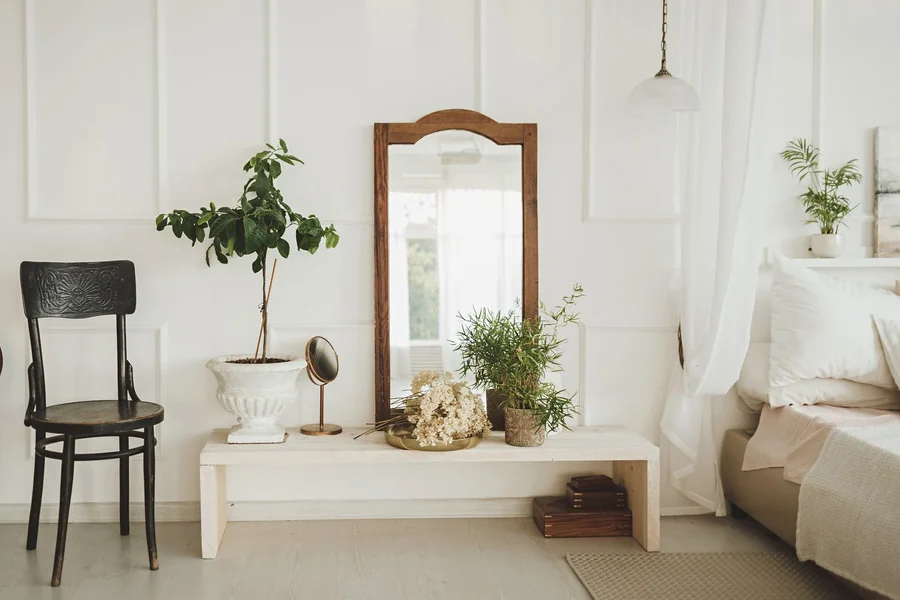
Dark rooms are a common challenge in many homes, especially in spaces with small windows, shaded exteriors, or layouts that limit natural light. While a full renovation might seem like the only solution, the reality is that you can dramatically improve brightness using simple, cost-effective design strategies.
From paint choices to furniture placement and lighting upgrades, small changes can completely transform how a room feels. One of the most overlooked factors is window cleanliness—something that directly impacts how much sunlight enters your home. Working with an experienced window cleaner near Aledo can instantly improve natural brightness by removing dirt, dust, and buildup that block sunlight.
Below is a complete guide to making dark rooms brighter without remodeling.
Why Rooms Feel Dark in the First Place
Before improving a space, it helps to understand why it feels dark. Common causes include:
- Small or poorly positioned windows
- Heavy curtains or dark window coverings
- Furniture blocking natural light
- Dark wall colors absorbing light
- Insufficient artificial lighting
- Dirty or tinted glass reducing sunlight
Once you identify the cause, it becomes much easier to apply the right solution without spending on construction.
1. Choose Light and Reflective Paint Colors
Paint is one of the most powerful tools for changing how light behaves in a room. Dark shades absorb light, making spaces feel smaller and heavier, while lighter shades reflect light and create an airy atmosphere.
Best paint choices for brighter rooms:
- Soft white
- Ivory or cream
- Light beige
- Pale gray
- Pastel blue or green
A useful tip is to paint ceilings a slightly lighter shade than the walls. This creates an illusion of height and openness.
Also, choosing satin or eggshell finishes instead of matte can improve light reflection without creating too much shine.
2. Maximize Natural Light Through Clean Windows
Even the brightest room can feel dull if windows are dirty. Dust, fingerprints, pollen, and water stains gradually reduce the amount of sunlight entering your home.
Clean windows allow significantly more daylight to pass through, instantly improving brightness without any structural changes. Many homeowners underestimate this simple step.
Professional cleaning services, such as an experienced window cleaner near Aledo, can remove stubborn buildup and restore glass clarity, making rooms noticeably brighter in just one visit.
3. Use Mirrors to Reflect Light
Mirrors are one of the most effective interior design tricks for dark rooms. They work by reflecting both natural and artificial light, making the space appear larger and brighter.
Smart mirror placement tips:
- Place mirrors opposite windows to bounce sunlight deeper into the room
- Use large mirrors instead of several small ones for stronger impact
- Avoid reflecting cluttered or dark areas
Mirrors with metallic or light-colored frames can further enhance the brightness effect.
4. Upgrade Window Treatments
Window coverings play a major role in controlling how much light enters a room. Heavy curtains and dark drapes often block sunlight even when open.
Better alternatives include:
- Sheer curtains that allow sunlight to pass through
- Light linen or cotton drapes
- Roller shades in neutral tones
- Adjustable blinds for flexible lighting control
Layered window treatments are also a great option. They allow you to balance privacy and brightness throughout the day.
5. Rearrange Furniture for Better Light Flow
Furniture placement can either enhance or block natural light. Large or tall furniture placed near windows can significantly reduce brightness.
To improve light flow:
- Keep windows as open as possible
- Use low-profile furniture
- Avoid placing tall cabinets near light sources
- Arrange seating to face windows
An open layout allows light to travel freely across the room, improving both brightness and visual space.
6. Layer Your Lighting for Maximum Brightness
Artificial lighting becomes especially important in darker rooms or at night. Instead of relying on a single ceiling light, use multiple layers of lighting.
Effective lighting layers include:
Ambient lighting:
Provides overall illumination using ceiling fixtures or recessed lights.
Task lighting:
Focused lighting for activities such as reading, cooking, or working.
Accent lighting:
Decorative lighting like wall sconces or LED strips that add depth.
Using warm white LED bulbs (2700K–3000K) creates a natural and inviting glow that complements daylight.
7. Use Reflective Surfaces and Light Decor
Decor choices can significantly influence how light moves through a space. Reflective and light-colored materials help distribute brightness more evenly.
Examples include:
- Glass coffee tables
- Metallic decor pieces
- Glossy ceramic or painted accessories
- Light-colored rugs and cushions
These elements subtly amplify brightness without major changes.
8. Declutter to Open Up the Space
Clutter absorbs visual attention and can make rooms feel darker and smaller. A clean, organized space naturally feels brighter.
Decluttering benefits:
- Improves light distribution
- Creates a more open atmosphere
- Reduces visual heaviness
Focus on removing unnecessary furniture, organizing storage spaces, and keeping surfaces clear.
9. Add Indoor Plants for a Fresh Look
Plants don’t directly increase brightness, but they improve how a space feels. Greenery near windows can enhance natural light aesthetics and make rooms feel more lively and refreshing.
Choose plants that thrive in indirect light if your room is already dark, such as snake plants or pothos.
10. Keep Surfaces Light and Minimal
Dark floors, furniture, and accessories absorb light. Replacing or balancing them with lighter elements can significantly improve brightness.
Simple upgrades:
- Light-colored rugs
- White or beige furniture covers
- Transparent or acrylic furniture pieces
Even small changes can make a noticeable difference in how light moves through the room.
11. Use Glossy or Semi-Gloss Finishes
Matte surfaces absorb light, while glossy surfaces reflect it. Adding semi-gloss paint on trims, doors, or cabinets can subtly increase brightness without overwhelming the space.
This technique works especially well in kitchens, hallways, and bathrooms.
Final Thoughts
Brightening a dark room doesn’t require expensive remodeling or structural changes. With thoughtful adjustments—such as using light paint colors, optimizing furniture placement, layering lighting, and incorporating mirrors—you can transform even the darkest spaces into bright, welcoming environments.
One of the simplest yet most impactful improvements is ensuring your windows are clean and clear. Natural light plays a major role in how a room feels, and professional cleaning services like an experienced window cleaner near Aledo can instantly enhance brightness without any renovation work.
When combined, these small strategies create a powerful transformation—making your home feel larger, fresher, and far more comfortable every day.
FAQs
1. What is the easiest way to brighten a dark room?
The easiest way is to maximize natural light by cleaning windows, using light curtains, and placing mirrors strategically.
2. Do light colors really make a difference in room brightness?
Yes, light colors reflect more light, making rooms feel larger, cleaner, and brighter.
3. Can artificial lighting replace natural light?
It can help, but natural light combined with layered artificial lighting produces the best results.
4. How often should windows be cleaned for maximum brightness?
Most homes benefit from professional window cleaning every 3–6 months depending on dust and weather conditions.
5. What type of curtains are best for dark rooms?
Sheer or light-colored curtains are best because they allow sunlight to enter while maintaining privacy.