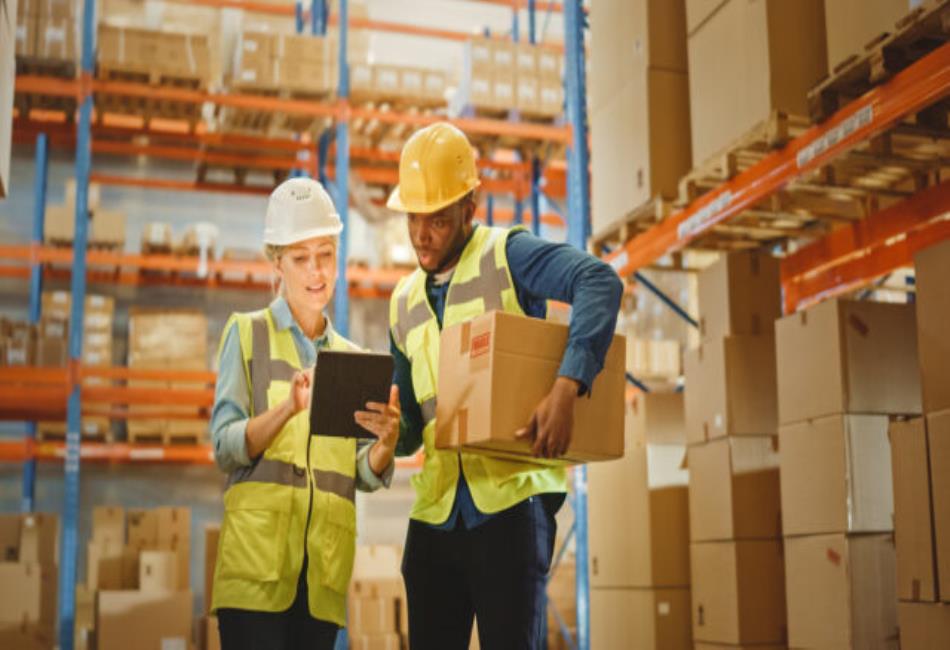
In the fast-paced world of e-commerce, logistics plays a pivotal role in determining business success. Efficient logistics management ensures timely deliveries, cost-effective operations, and enhanced customer satisfaction. With increasing customer expectations and growing competition, businesses must optimize their supply chain strategies to stay ahead.
This article delves into the significance of logistics in e-commerce and how businesses can leverage advanced solutions to streamline operations.
The Role of Logistics in E-Commerce
Logistics is the backbone of e-commerce, encompassing various functions such as warehousing, inventory management, order fulfillment, transportation, and last-mile delivery. Unlike traditional retail, where customers physically visit stores, e-commerce relies entirely on efficient logistics to deliver products to buyers’ doorsteps. A seamless logistics system can significantly impact brand reputation, customer loyalty, and profitability.
Warehousing and Inventory Management
One of the primary challenges in e-commerce logistics is inventory management. Companies must maintain an optimal stock level to meet demand fluctuations without overstocking or understocking. Advanced inventory management systems (IMS) and automated warehouses help businesses track stock levels in real time, reducing operational costs and improving efficiency.
Order Fulfillment and Processing
Speed and accuracy in order processing are crucial in e-commerce. A streamlined order fulfillment process ensures that customers receive their products promptly. Many businesses are now adopting automated fulfillment centers, where robotic systems pick, pack, and ship products with minimal human intervention.
Transportation and Shipping
Timely delivery is a key differentiator in e-commerce. Companies invest in multiple shipping partners, route optimization software, and real-time tracking solutions to enhance delivery efficiency. Fast and reliable shipping options, such as same-day or next-day delivery, can significantly boost customer satisfaction.
Last-Mile Delivery
The last mile of delivery is often the most challenging and expensive part of the logistics process. Businesses are exploring innovative solutions such as drone deliveries, smart lockers, and electric delivery vehicles to optimize last-mile operations. Real-time tracking and flexible delivery options further enhance the customer experience.
The Impact of Efficient Logistics on E-Commerce Success
Seamless logistics keeps e-commerce running smoothly. Fast shipping, cost savings, and customer satisfaction all depend on a well-structured supply chain. Here’s why it matters for your business.
Enhanced Customer Satisfaction
Customers expect fast, reliable, and transparent delivery services. A well-managed logistics system ensures timely deliveries, reducing the chances of order cancellations or returns. Real-time tracking and proactive communication keep customers informed, improving their overall shopping experience.
Cost Efficiency and Profitability
Optimized logistics help businesses reduce costs associated with warehousing, transportation, and inventory management. By leveraging automation, predictive analytics, and efficient supply chain practices, e-commerce companies can minimize operational expenses and increase profit margins.
Competitive Advantage
With numerous players in the e-commerce market, having a robust logistics strategy provides a competitive edge. Companies that offer faster shipping, hassle-free returns, and superior customer service stand out, attracting and retaining more customers.
Expansion and Scalability
A strong logistics infrastructure enables e-commerce businesses to expand into new markets seamlessly. Whether venturing into international shipping or handling seasonal demand spikes, a scalable logistics network ensures smooth operations without compromising efficiency.
Leveraging Advanced Logistics Solutions
E-commerce companies are increasingly adopting technology-driven solutions to enhance logistics operations like:
Artificial Intelligence (AI) and Machine Learning (ML)
AI-powered logistics solutions help predict demand patterns, optimize warehouse operations, and improve route planning. Machine learning algorithms analyze historical data to enhance forecasting accuracy, reducing inventory costs and stockouts.
Internet of Things (IoT)
IoT-enabled tracking systems provide real-time visibility into shipments, reducing the risk of lost or delayed orders. Smart sensors monitor environmental conditions, ensuring perishable or sensitive items reach customers in optimal condition.
Blockchain Technology
Blockchain enhances transparency and security in logistics by providing an immutable ledger of transactions. It ensures end-to-end visibility, prevents fraud, and streamlines documentation processes in cross-border e-commerce.
E-Commerce Logistics Solutions
Businesses are increasingly adopting comprehensive e-commerce logistics solutions to streamline operations. These solutions integrate warehousing, order management, shipping, and returns handling into a single platform, improving efficiency and customer experience.
Automation and Robotics
Automated warehouses and robotic fulfillment centers enhance speed and accuracy in order processing. From automated picking systems to AI-driven chatbots for customer support, automation reduces human errors and accelerates logistics processes.
Future Trends in E-Commerce Logistics
The logistics landscape in e-commerce is continuously evolving. Some of the emerging trends shaping the future include:
- Sustainable Logistics: Companies are adopting eco-friendly packaging, electric delivery vehicles, and carbon-neutral shipping options to reduce their environmental footprint.
- Hyperlocal Delivery Models: Businesses are leveraging micro-fulfillment centers and local courier networks to ensure faster delivery times.
- Drone and Autonomous Vehicle Deliveries: The adoption of drone and self-driving delivery vehicles is expected to revolutionize last-mile logistics.
- Personalized Delivery Options: Customers can choose preferred delivery times, locations, and flexible return policies, enhancing their shopping experience.
Conclusion
In the competitive world of e-commerce, logistics plays a crucial role in driving business success. Companies must adopt advanced technologies, optimize their supply chain, and invest in efficient logistics solutions to meet customer expectations and remain competitive.
By embracing innovations such as AI, automation, and sustainable logistics practices, e-commerce businesses can enhance efficiency, reduce costs, and improve customer satisfaction, ultimately paving the way for long-term business growth.