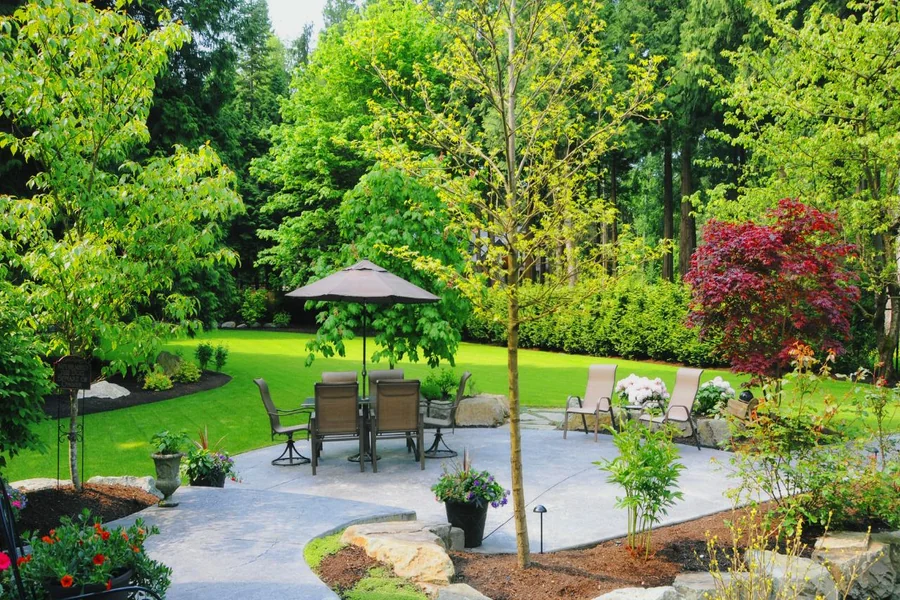
Trees add beauty, shade, and value to residential properties. They create a more comfortable outdoor environment, improve curb appeal, and can even help reduce cooling costs during warmer months. However, while trees offer many benefits, homeowners often overlook the impact that heavy tree coverage can have on exterior home maintenance.
Overhanging branches and dense tree canopies can affect multiple areas of a property, including roofs, gutters, siding, windows, and outdoor living spaces. Understanding these hidden effects can help homeowners create a proactive maintenance plan that protects their investment and extends the lifespan of exterior surfaces.
How Tree Coverage Affects Your Roof
The roof is often the first area impacted by nearby trees. Leaves, twigs, pine needles, and other debris regularly fall onto roofing materials. Over time, this accumulation can create several problems.
When debris remains on the roof, it traps moisture against shingles. Excess moisture can accelerate wear and contribute to the growth of moss, algae, and mold. These organisms can weaken roofing materials and shorten the roof’s lifespan.
Overhanging branches also pose physical risks. During storms or high winds, branches may scrape roofing surfaces or break off entirely, causing significant damage. Even small branches can gradually wear down shingles through repeated contact.
Regular roof inspections and trimming overhanging limbs are important preventive measures that help minimize these risks.
The Ongoing Challenge of Clogged Gutters
Gutters play a critical role in directing rainwater away from the home. However, properties with significant tree coverage often experience more frequent gutter blockages.
Leaves, seeds, pine needles, and small branches accumulate inside gutters throughout the year. When gutters become clogged, water can overflow and create a variety of issues, including:
- Foundation erosion
- Basement moisture problems
- Fascia board deterioration
- Landscape damage
- Roof leaks
Seasonal gutter cleaning becomes especially important for homes surrounded by mature trees. In heavily wooded areas, homeowners may need multiple cleanings annually to maintain proper water flow.
Siding and Exterior Walls Face Additional Wear
Tree coverage can also influence the condition of siding and exterior walls. Dense canopies reduce sunlight exposure, creating damp and shaded environments around the home.
These conditions encourage the growth of:
- Mold
- Mildew
- Algae
- Moss
Over time, these contaminants can discolor siding and cause staining that becomes difficult to remove. Moisture trapped against exterior surfaces may also contribute to premature deterioration of certain siding materials.
Homeowners often include periodic washing as part of their maintenance routine. In some cases, hiring a professional pressure washing company in Tampa FL can help remove accumulated dirt, algae, and organic growth from exterior surfaces. Pressure washing is just one maintenance task among many and is often included within broader exterior care plans.
Windows Can Lose Their Clarity
Windows are another area frequently affected by nearby trees. Falling leaves, pollen, sap, and bird droppings can accumulate on glass surfaces throughout the year.
Tree sap is particularly problematic because it can harden on windows and become difficult to remove without proper cleaning methods. In addition, shaded conditions may encourage mold and mildew growth around window frames and seals.
Dirty windows not only reduce curb appeal but can also decrease the amount of natural light entering the home. Routine window cleaning helps maintain visibility and supports the overall appearance of the property.
Outdoor Living Spaces Require More Attention
Patios, decks, pergolas, and outdoor kitchens often benefit from the shade provided by trees. However, these same outdoor spaces can require significantly more maintenance due to constant debris accumulation.
Homeowners commonly find:
- Leaves covering patios
- Pine needles trapped between deck boards
- Seed pods scattered across walkways
- Tree sap on outdoor furniture
- Increased insect activity
Without regular cleanup, these materials can create slippery surfaces and contribute to staining or surface deterioration.
Maintaining outdoor living areas becomes especially important before hosting gatherings or during peak outdoor entertainment seasons.
Shade-Related Moisture Problems
While shade can keep outdoor areas cooler, excessive shade often creates persistent moisture conditions around the home.
When sunlight cannot adequately reach exterior surfaces, moisture takes longer to evaporate after rainfall or morning dew. This prolonged dampness may encourage biological growth and contribute to deterioration over time.
Common shade-related concerns include:
Moss Growth
Moss thrives in cool, moist environments and can quickly spread across roofs, walkways, and retaining walls.
Algae Stains
Dark streaks and green discoloration often appear on shaded siding, roofs, and concrete surfaces.
Mold and Mildew
Persistent moisture creates ideal conditions for mold and mildew growth, especially in areas with limited airflow.
Managing tree density and maintaining proper pruning schedules can help improve sunlight exposure and reduce these issues.
Seasonal Cleanup Becomes More Important
Homes with extensive tree coverage often require a more structured seasonal maintenance routine.
Spring Maintenance
Spring typically brings pollen accumulation, budding leaves, and increased debris from winter storms. Homeowners should inspect roofs, gutters, and siding for buildup and damage.
Summer Maintenance
Summer is an excellent time to trim branches and address areas where trees may be contacting the home’s exterior.
Fall Maintenance
Fall usually creates the heaviest debris accumulation. Leaves can quickly fill gutters, cover roofs, and collect in outdoor living areas.
Winter Maintenance
Winter storms may cause branches to break or fall, making tree inspections especially valuable before severe weather arrives.
A seasonal approach helps prevent small maintenance concerns from developing into costly repairs.
Balancing Beauty and Maintenance
Despite the maintenance challenges they create, trees remain one of the most valuable features of many residential landscapes. The key is balancing their benefits with proper upkeep.
Homeowners can reduce maintenance demands by:
- Pruning overhanging branches regularly
- Scheduling routine gutter cleanings
- Inspecting roofs after major storms
- Cleaning windows periodically
- Removing debris from patios and decks
- Monitoring shaded areas for mold or algae growth
These simple practices help preserve both the health of the trees and the condition of the home’s exterior.
Conclusion
Tree coverage enhances a property’s appearance, provides shade, and contributes to a more enjoyable outdoor environment. However, it also creates hidden maintenance responsibilities that affect roofs, gutters, siding, windows, and outdoor living spaces.
By understanding how trees influence exterior surfaces and implementing a proactive maintenance schedule, homeowners can prevent costly repairs and maintain their property’s long-term value. Regular inspections, seasonal cleanups, and professional maintenance services when needed ensure that both the landscape and the home remain in excellent condition year-round.
Frequently Asked Questions (FAQs)
1. How do overhanging trees affect a home’s roof?
Overhanging trees can drop leaves, branches, and other debris onto the roof, which may trap moisture and encourage the growth of moss, algae, and mold. Branches can also scrape roofing materials or cause damage during storms.
2. Why do trees cause gutters to clog more quickly?
Trees continuously shed leaves, seeds, pine needles, and small twigs that can accumulate inside gutters. When gutters become clogged, water may overflow and potentially damage the roof, siding, foundation, and landscaping.
3. Can tree shade damage siding and exterior surfaces?
Yes. Excessive shade can create damp conditions that promote mold, mildew, algae, and moss growth on siding and other exterior surfaces. Over time, this can lead to discoloration and increased maintenance needs.
4. How often should homeowners clean exterior areas when they have many trees?
The frequency depends on the number and type of trees on the property. Most homeowners benefit from seasonal inspections and cleanups, with additional maintenance during the fall when leaf accumulation is at its highest.
5. Is pressure washing beneficial for homes surrounded by trees?
Pressure washing can help remove dirt, algae, mold, mildew, and organic stains that often develop in shaded areas. It is commonly used as part of a broader exterior maintenance plan to help keep siding, patios, walkways, and other surfaces clean.