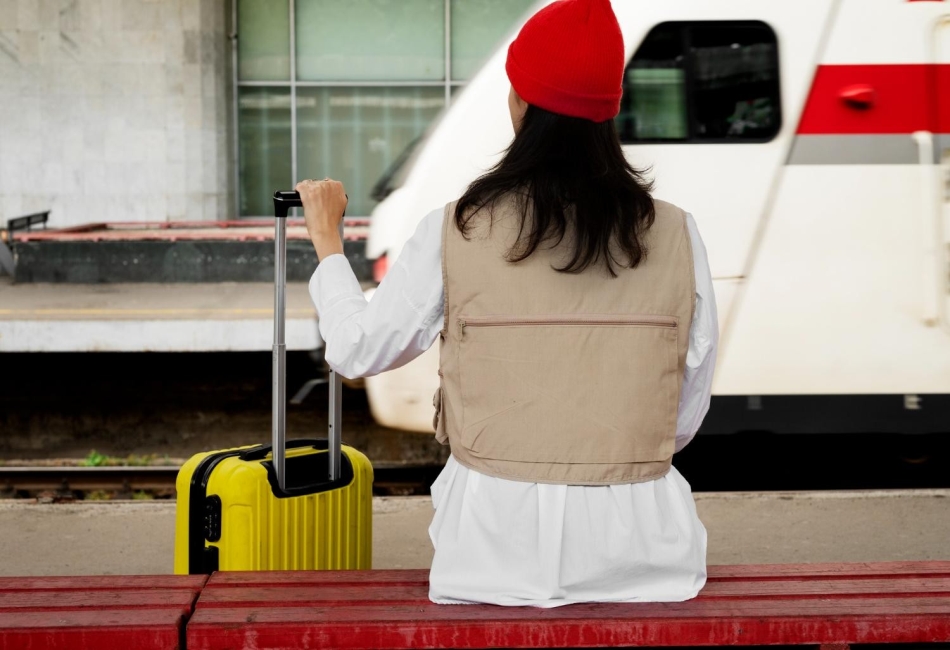
Travel can be one of life’s greatest joys, but for those living with scoliosis, long flights, car rides, and even carrying luggage can turn into painful challenges.
Whether you have mild scoliosis or have undergone spinal fusion surgery, the key is preparation. With the right tips, you can stay comfortable, safe, and ready to enjoy your journey.
So, without further ado, here is how you can stay comfortable while traveling with scoliosis.
How does scoliosis affect daily life and activities?
Before we jump straight into giving you tips on how to stay comfortable while traveling, let’s first discuss how scoliosis affects everyday life and activities.
Scoliosis can affect daily life and activities in various ways, depending on the severity of the curve, age of diagnosis, and type of treatment (if any). While some people experience few limitations, others may face daily challenges, physically, emotionally, and socially.
Scoliosis can impact daily life through physical discomfort, reduced flexibility, and fatigue. Tasks like sitting, standing, lifting, or sleeping may become challenging, especially with moderate to severe curves.
It can also affect posture, body image, and self-esteem, particularly in teens. Some people experience chronic back pain, while others have few symptoms.
However, with the right support like physical therapy, ergonomic tools, and low-impact exercise, most people with scoliosis can manage the condition and lead active, fulfilling lives.
How to stay comfortable when traveling
1. Pack smart and light
Heavy luggage is everyone’s enemy, but especially those who suffer from scoliosis. That’s why you should choose lightweight, wheeled suitcases with sturdy handles.
If you’re using backpacks, use those with padded straps and a chest or waist belt for better weight distribution.
Try your best not to overload. Carry only what you truly need. Also, use packing cubes to organize and evenly distribute weight.
Additionally, if lifting bags overhead is difficult, don’t be ashamed to ask for assistance when boarding planes or trains.
2. Prepare for long flights or drives
Sitting for extended periods can cause discomfort or worsen back stiffness. To prepare for long flights or drives, you should always book an aisle seat so you can get up and stretch frequently.
Stay hydrated, as dehydration can worsen muscle and joint pain. If necessary, take pain medication as prescribed, ideally before discomfort escalates on long journeys.
Use heat wraps or portable warmers for tight areas, and consider alternating with ice packs if swelling is an issue (check airline policies for these items).
Schedule travel to minimize stress and fatigue, avoiding extremely early departures or tight connections.
3. Support your spine
When traveling, it’s crucial to listen to your body and support your spine the best you can.
That’s why you should always bring a supportive cushion or travel pillow. Memory foam or inflatable lumbar rolls can help maintain the natural curve of your lower back, preventing the slouching that leads to pain.
For those with thoracic (upper back) scoliosis, a pillow that supports the mid-back or shoulders may be more beneficial. Test different shapes and sizes at home before your trip to find what works best for you.
If you have a back brace, don’t forget to bring it with you. A quality scoliosis brace will help support your back on your trip. However, wearing a brace when traveling can be challenging and uncomfortable, so if possible, plan for brace-free periods during travel to allow your body to rest.
Additionally, consider a firm cervical collar for neck support, especially if you plan to nap during travel.
4. Move and stretch regularly
One of the most important things you can do while traveling with scoliosis is to avoid staying in one position for too long. Whether you’re on a plane, train, or in the car, staying seated for extended periods can increase stiffness, pain, and muscle tension.
If you can, get up and move every 30 to 60 minutes. Movement is crucial to prevent stiffness, inflammation, and increased pain.
Walk the aisle, stand near the galley, or do gentle stretches such as shoulder rolls, gentle twists, or back extensions.
If you can’t get up, do stretches in your seat: do neck stretches, shoulder rolls, seated spinal twists, side twists and ankle rolls, and calf pumps.
Use tools like resistance bands for stretching arms and legs, or tennis balls in a sock for gentle acupressure along the spine (avoiding direct pressure on the spine itself).
5. Plan accommodations with your back in mind
Where you sleep and rest during your trip can have a major impact on your comfort and recovery, especially if you’re managing scoliosis.
Choosing the right accommodations helps prevent extra strain on your spine and ensures a better night’s rest. This means that you should prioritize a supportive bed, comfortable seating, ground-floor rooms, or elevator access.
When booking, be sure to request firmer mattresses if soft beds worsen your back pain.
Ask for extra pillows to support your sleeping position, or bring a travel-sized memory foam pillow or back roll for added comfort at night. And also, if stairs are an issue, choose ground-floor rooms.
6. Plan ahead and communicate
Air travel can be stressful, so don’t be afraid to reach out to your airline in advance. Notify them of your condition to arrange early boarding, wheelchair assistance, or help with lifting luggage.
A doctor’s note can sometimes secure extra accommodations. Also, let travel companions or staff know you’ll need to stretch or move frequently.
7. Listen to your body and other helpful tips
Travel often means breaking routines, but for people with scoliosis, ignoring signals from their spine can lead to problems.
It’s crucial to listen to your body and rest when you need to. Try to avoid activities that feel risky or strain your back. It’s okay to say no to certain activities if your body isn’t up for it.
Stretch before and after your journey to prepare your body and aid recovery. Consider a pre-travel visit to your physical therapist for personalized exercises and advice. Don’t hesitate to ask for help with heavy lifting or overhead bins to prevent injury.
Conclusion
Scoliosis doesn’t have to stop you from exploring the world, it just means traveling with a bit more intention. With planning, body awareness, and a few comfort hacks, you can enjoy your journey without sacrificing your well-being.