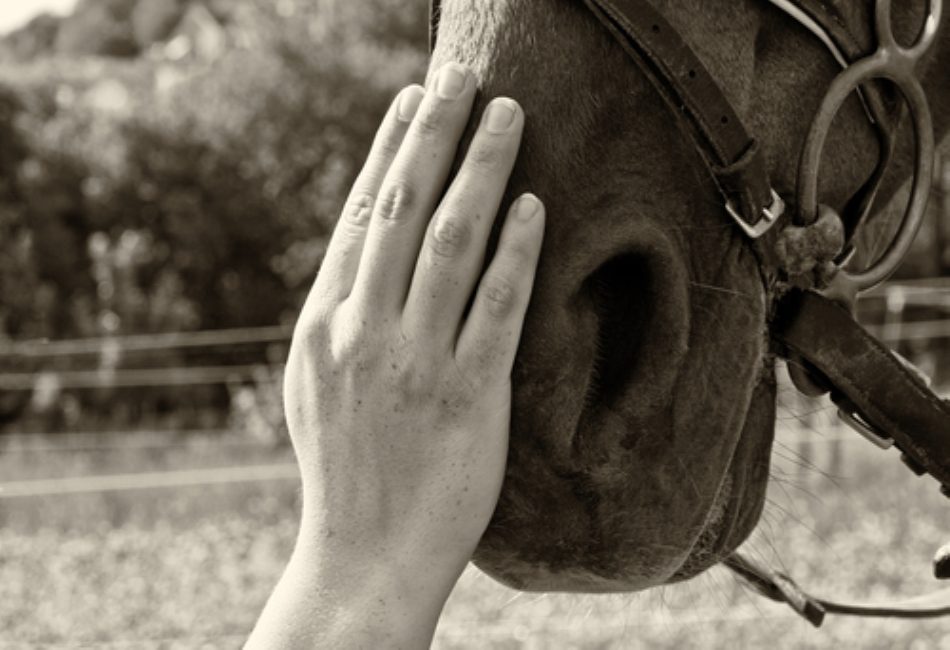
Horse therapy, also known as equine therapy or therapeutic horseback riding, has become a highly respected method for improving both mental and physical health. For centuries, humans have shared a unique bond with horses, recognizing their intelligence, sensitivity, and ability to connect with people on a deep emotional level. Today, horse therapy is widely used to support individuals with a range of physical, cognitive, and emotional challenges.
In this article, we will explore what horse therapy is, how it works, and the various ways it can help improve our overall well-being. If you’re curious about finding “horseback riding near me” or looking to understand more about how horses can aid in healing, this guide will offer valuable insights into the world of equine-assisted therapy.
1. What is Horse Therapy?
Horse therapy encompasses a broad range of treatments that involve interactions with horses. It is often used to assist people with physical disabilities, developmental disorders, mental health conditions, and emotional difficulties. While there are different types of equine therapy, they all rely on the therapeutic benefits of working with and riding horses.
Common Types of Horse Therapy:
- Equine-Assisted Therapy (EAT): This form of therapy focuses on emotional, cognitive, and behavioral improvements. It involves interacting with horses through grooming, leading, and sometimes riding. The goal is to build trust, improve communication, and develop social skills.
- Therapeutic Riding: A form of horseback riding that helps individuals with physical, cognitive, and emotional challenges develop motor skills, coordination, and balance.
- Hippotherapy: A type of physical, occupational, or speech therapy that uses the movement of a horse to aid in improving posture, coordination, and communication skills.
Each type of therapy is led by professionals who have training in both horse care and human psychology or physical therapy. The interaction between horse and rider is designed to promote healing, build confidence, and enhance physical abilities.
2. How Does Horse Therapy Work?
The foundation of horse therapy is the natural connection between humans and horses. Horses are highly intuitive animals that can sense and respond to human emotions and behaviors. This unique ability allows them to serve as non-judgmental partners in therapy, providing a safe space for individuals to work through their challenges.
Key Components of Horse Therapy:
- Physical Movement: Riding a horse mimics the motion of walking, which can help individuals improve their balance, muscle tone, and motor skills. For those with physical disabilities, this movement stimulates muscles that might not otherwise be engaged.
- Emotional Connection: Horses offer an immediate emotional connection, responding to the rider’s mood and energy. This helps individuals learn emotional regulation and build trust in their interactions with both the horse and the therapist.
- Non-Verbal Communication: Horses communicate primarily through body language, which helps individuals become more aware of their own non-verbal cues. This can be particularly beneficial for those with social anxiety, autism, or communication challenges.
The repetitive and rhythmic movement of a horse during a trail ride or therapy session provides a calming effect on both the body and mind, making it easier for individuals to open up, process emotions, and focus on their therapy goals.
3. Physical Benefits of Horse Therapy
One of the most visible benefits of horse therapy is its impact on physical health. People with physical disabilities, such as cerebral palsy, multiple sclerosis, or spinal cord injuries, can experience improved strength, mobility, and balance through therapeutic riding.
How Horse Therapy Improves Physical Health:
- Improved Muscle Tone: Riding requires the use of core muscles to maintain posture and balance. Over time, this strengthens the abdominal, back, and leg muscles.
- Enhanced Balance and Coordination: Horseback riding demands constant adjustments to stay aligned with the horse’s movements, which improves both balance and coordination.
- Increased Joint Mobility: The gentle motion of the horse helps improve flexibility and mobility in stiff or tight joints, making it an effective therapy for individuals with mobility impairments.
- Posture and Alignment: For individuals who have difficulty maintaining good posture, horseback riding can aid in correcting spinal alignment and improving posture over time.
Many therapeutic riding programs also use additional exercises, such as stretches or games on horseback, to further engage riders and help them develop their physical abilities.
4. Mental Health Benefits of Horse Therapy
In addition to physical improvements, horse therapy has a profound effect on mental health. Working with horses has been shown to reduce anxiety, improve mood, and build self-esteem, making it a valuable treatment for individuals dealing with conditions like depression, PTSD, and anxiety disorders.
Emotional and Mental Health Benefits:
- Stress and Anxiety Reduction: Spending time with horses can have a calming effect, lowering levels of stress hormones and reducing feelings of anxiety. The focus required during activities like grooming or riding helps individuals stay present in the moment, which can ease racing thoughts and reduce anxiety.
- Building Confidence: Learning how to ride and care for a horse requires patience and perseverance, which helps boost self-confidence. Each successful ride or interaction with the horse builds a sense of accomplishment, especially for individuals who struggle with low self-esteem.
- Emotional Regulation: Horses are sensitive to human emotions, providing immediate feedback to riders. This helps individuals become more aware of their emotional state and learn to regulate their reactions. For those who experience emotional outbursts or difficulty controlling emotions, working with a horse can teach valuable coping mechanisms.
- Overcoming Trauma: For individuals with PTSD, the trust and bond formed with a horse can help them process trauma in a safe, supportive environment. Horses provide non-judgmental companionship, which can make it easier for people to open up emotionally and begin the healing process.
Equine-assisted therapy is often combined with traditional talk therapy to offer a comprehensive treatment plan for individuals seeking mental health support. The unique dynamic between rider and horse helps bridge emotional gaps that may be harder to address through conversation alone.
5. Horse Therapy for Children
Horse therapy can be particularly beneficial for children, especially those with developmental delays, autism spectrum disorders, or physical disabilities. Therapeutic horseback riding offers a playful, engaging way for children to develop essential motor skills, improve social interaction, and gain emotional support.
How Children Benefit from Horse Therapy:
- Improved Focus and Attention: Children with ADHD or concentration issues benefit from the structure and focus required during horseback riding lessons. The repetitive nature of riding helps them practice staying on task.
- Social Interaction: Children with autism or social challenges often have difficulty engaging with others. Horses provide a safe, non-verbal companion that encourages communication and interaction, helping children develop better social skills.
- Sensory Input: The rhythmic motion of horseback riding can provide sensory stimulation that is calming and grounding for children with sensory processing disorders.
- Self-Confidence: Mastering horseback riding techniques gives children a sense of accomplishment, helping them build self-confidence in their abilities.
Parents searching for “horseback riding near me” for their children may find local equestrian centers that offer specialized therapeutic riding programs designed for young riders with special needs.
6. Horse Therapy for Veterans and Trauma Survivors
Veterans and trauma survivors often face unique challenges, such as PTSD, anxiety, and depression. For these individuals, horse therapy offers a therapeutic outlet that promotes healing and recovery in a way that traditional methods may not.
Why Horse Therapy is Effective for Trauma Survivors:
- Building Trust: Trauma survivors often struggle with trust issues. Horses, with their gentle and non-judgmental nature, help individuals rebuild trust in others and themselves.
- Emotional Connection: Working with a horse can help trauma survivors reconnect with their emotions, something that may have been numbed due to their experiences. Horses respond to the emotions of the rider, creating a powerful bond that fosters emotional healing.
- Physical Relaxation: The movement of the horse provides a soothing, rhythmic motion that helps trauma survivors relax and release physical tension, which is often held in the body as a result of trauma.
7. How to Find Horse Therapy Near You
If you’re interested in exploring the benefits of horse therapy for yourself or a loved one, a simple search for “horseback riding near me” will likely yield several local equestrian centers offering therapeutic riding programs. Many centers specialize in working with specific populations, such as children, veterans, or individuals with disabilities.
When choosing a horse therapy program, consider factors such as:
- Qualifications of the Instructors: Ensure the program is run by certified therapeutic riding instructors and that they have experience working with individuals with your specific needs.
- Facility: Visit the riding center to ensure it’s clean, safe, and well-maintained.
- Program Options: Some centers offer group lessons, while others provide one-on-one sessions. Choose the option that best suits your needs and comfort level.
8. Horseback Riding and Trail Ride Benefits
While horse therapy offers targeted therapeutic benefits, recreational horseback riding and trail ride activities can also contribute to physical and emotional well-being. Even if you’re not undergoing therapy, the simple act of riding and being around horses has a calming and uplifting effect.
For many, a leisurely trail ride through nature provides an opportunity to unwind, enjoy fresh air, and reconnect with themselves. Riders often find that time spent outdoors with a horse allows them to clear their minds, reduce stress, and feel more present.
Conclusion
Horse therapy is a powerful tool for improving physical health, emotional well-being, and mental resilience. Whether through therapeutic riding, equine-assisted therapy, or simply taking a peaceful trail ride, interacting with horses offers a unique opportunity to heal and grow. From children with developmental challenges to adults seeking mental health support, horse therapy can benefit individuals from all walks of life.
If you’re interested in exploring the therapeutic benefits of riding, search for “horseback riding near me” and discover the healing potential of these magnificent animals. Whether you’re seeking