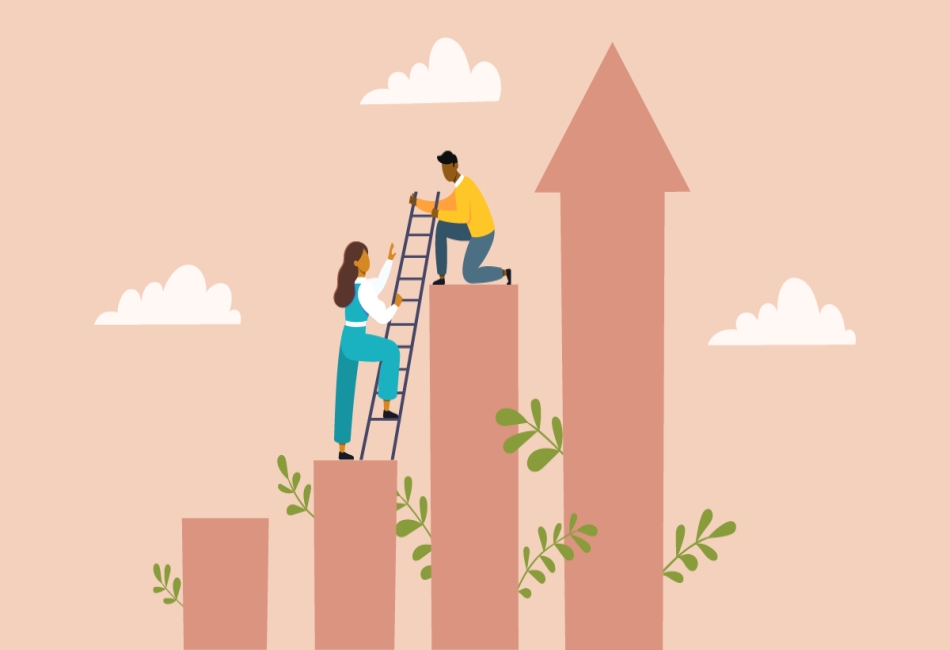
Is it possible to build a company that grows sustainably while keeping employees engaged and motivated for the long haul? More businesses are beginning to realize that giving workers a meaningful stake in the company’s future can be the answer. This shift in mindset moves away from short-term wins and leans into deeper commitment and shared responsibility.
When employees hold an ownership stake, their focus tends to change. Ownership models offered by platforms like Teamshares are built around this concept. Tasks aren’t just about completing a job or clocking in hours. They become about building something lasting. This type of change fuels long-term thinking, stronger performance, and often, better decision-making. This model encourages a shift from “me” to “we” inside the workplace.
Ownership Builds Responsibility
Ownership builds a culture where accountability thrives. Employees who feel part of the company’s future don’t just work for a paycheck. They contribute ideas, take initiative, and solve problems with more care. This level of engagement can significantly reduce turnover and increase productivity.
With a stake in the business, there’s a different kind of investment on emotional and professional levels. Employees are more likely to speak up when something isn’t working and more willing to invest extra energy when it matters most. The sense of accountability doesn’t need constant supervision or micro-management. It happens naturally when someone believes their effort directly impacts the company’s trajectory.
Growth Becomes a Shared Mission
When ownership is spread across a team, success becomes a collective goal. Revenue isn’t just about profits for top executives. Every gain represents progress for the entire workforce. This sense of shared reward can energize teams and bring alignment across departments.
Long-term growth needs a workforce that doesn’t just show up; they buy in. That happens when each person sees how their contribution fits into the broader picture. Shared ownership gives meaning to the work and helps everyone understand how today’s efforts shape tomorrow’s results.
Decisions Guided by Collective Insight
Short-term thinking often leads to rushed decisions made under pressure. On the other hand, when employees have a stake in the business, there’s more reason to pause and consider long-term outcomes. This broader perspective results in choices that strengthen the foundation rather than chase momentary spikes in performance.
Whether it’s investing in new equipment, expanding into a new market, or changing processes, these decisions benefit from multiple viewpoints grounded in ownership. When decision-making is informed by those who understand operations from the inside out, outcomes tend to improve. This collective insight helps reduce costly mistakes and builds a more resilient path forward.
A Human-Centered Business Model
More small businesses are adopting models that gradually transfer ownership to employees. This approach allows time for adjustment and leadership growth while building a resilient company rooted in its people. Models like these reflect a changing approach to capitalism, where profit and people go hand in hand. This promotes a healthier internal culture and allows companies to operate with intention instead of urgency. Long-term thinking becomes a built-in part of the system.
How Technology Supports Transparent Ownership
For businesses with broad employee ownership, the right systems are essential. A digital platform that focuses on employee ownership simplifies tracking, communication, and equity distribution. Though often behind the scenes, strong technology supports transparency, trust, and alignment by making ownership clear and accessible.
As more employees become owners, digital tools help keep everything organized and consistent across departments and locations. Instead of relying on paperwork or scattered updates, people can quickly see their equity, track progress, and understand where the business stands. It removes confusion and builds confidence by giving employees a clear picture of how their contributions connect to the company’s success.
Giving employees a meaningful stake in a business transforms more than operations. It reshapes culture, strengthens decision-making, and boosts long-term resilience. Shared ownership drives deeper accountability, stronger collaboration, and performance aligned with purpose. As seen in platforms like Teamshares, such an approach empowers individuals and builds businesses that are better equipped for sustainable growth and collective achievement. It paves the way for companies to thrive through shared success and lasting commitment.